
Last updated November 2, 2026
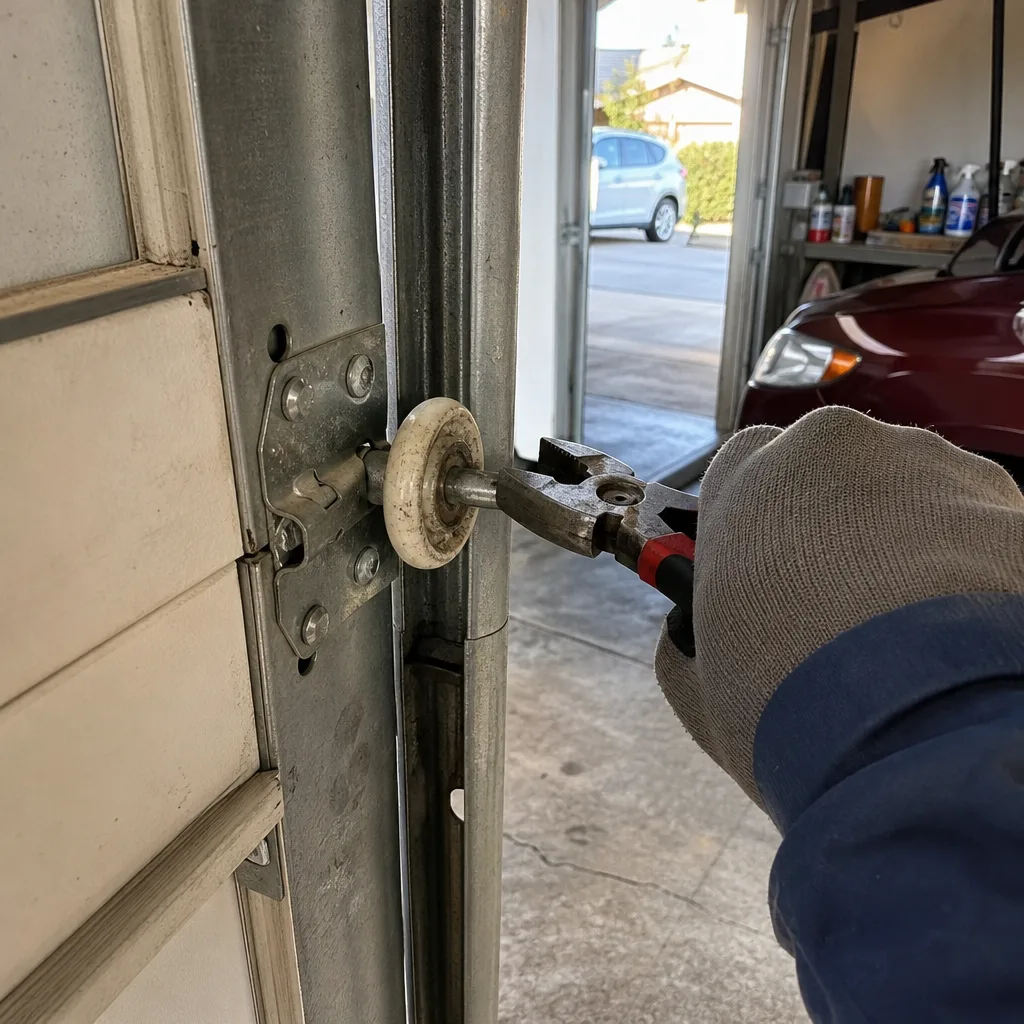
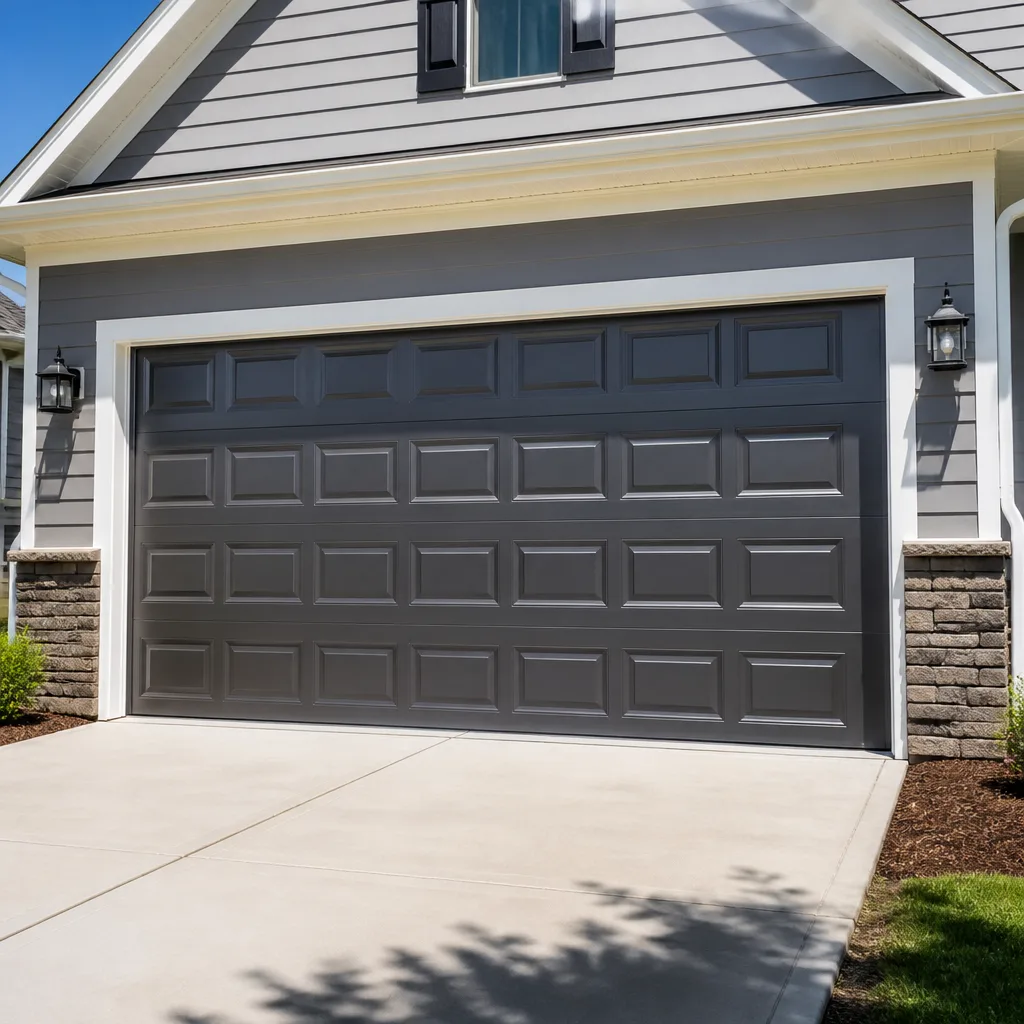 Raised-panel steel
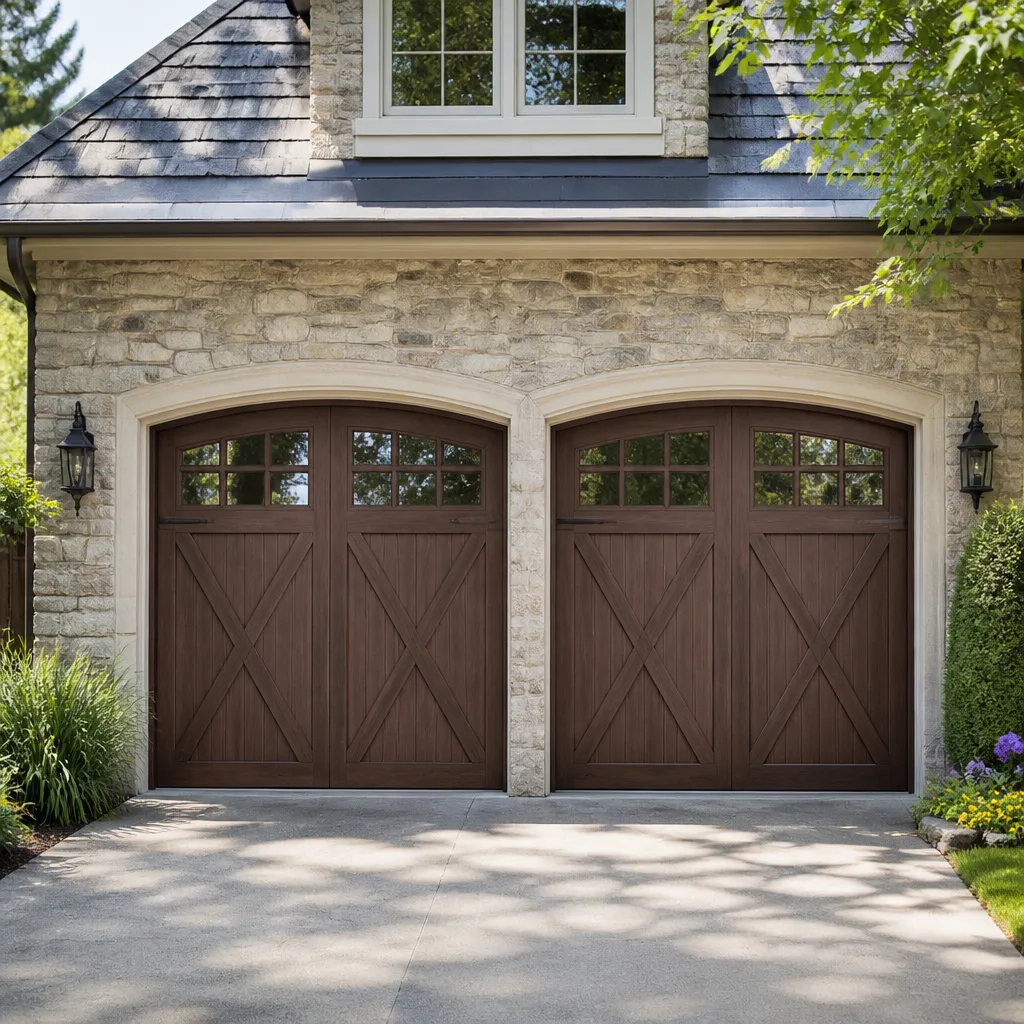 Carriage house
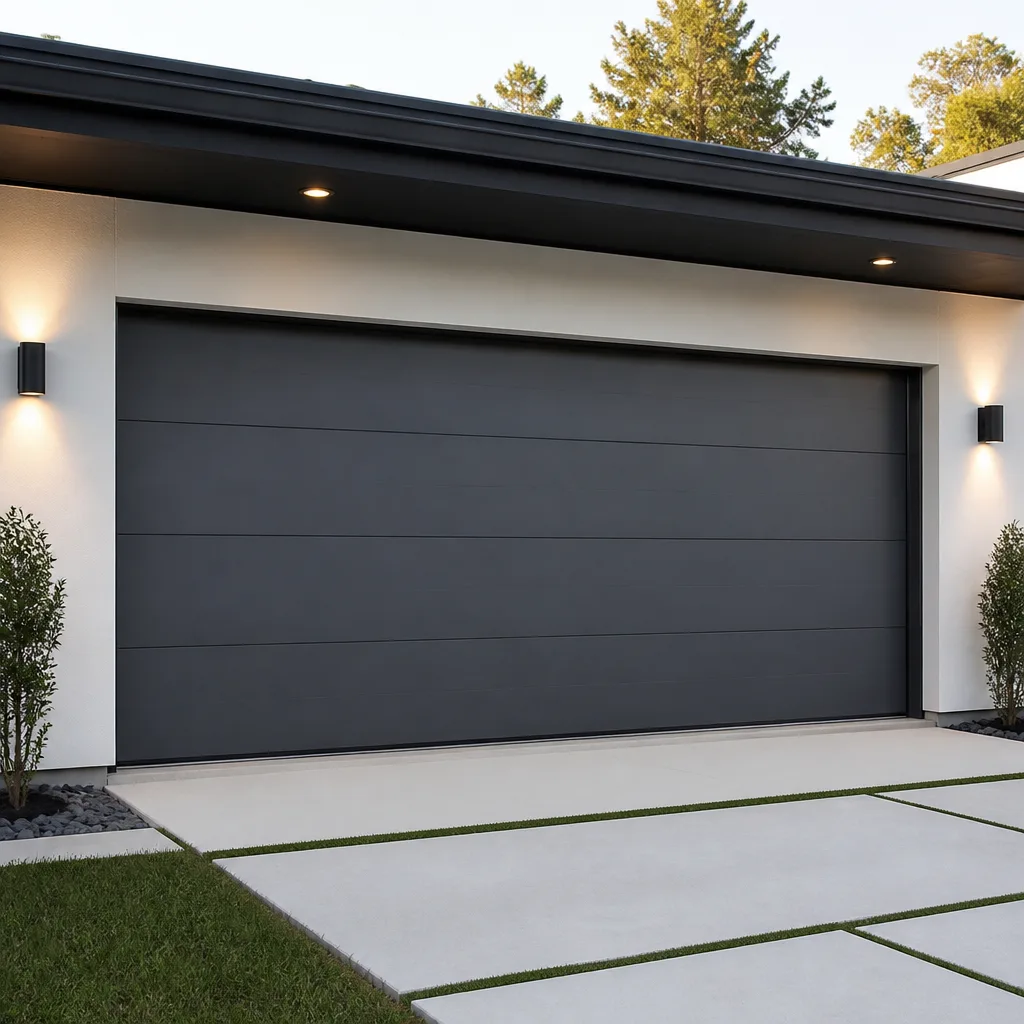 Modern flush
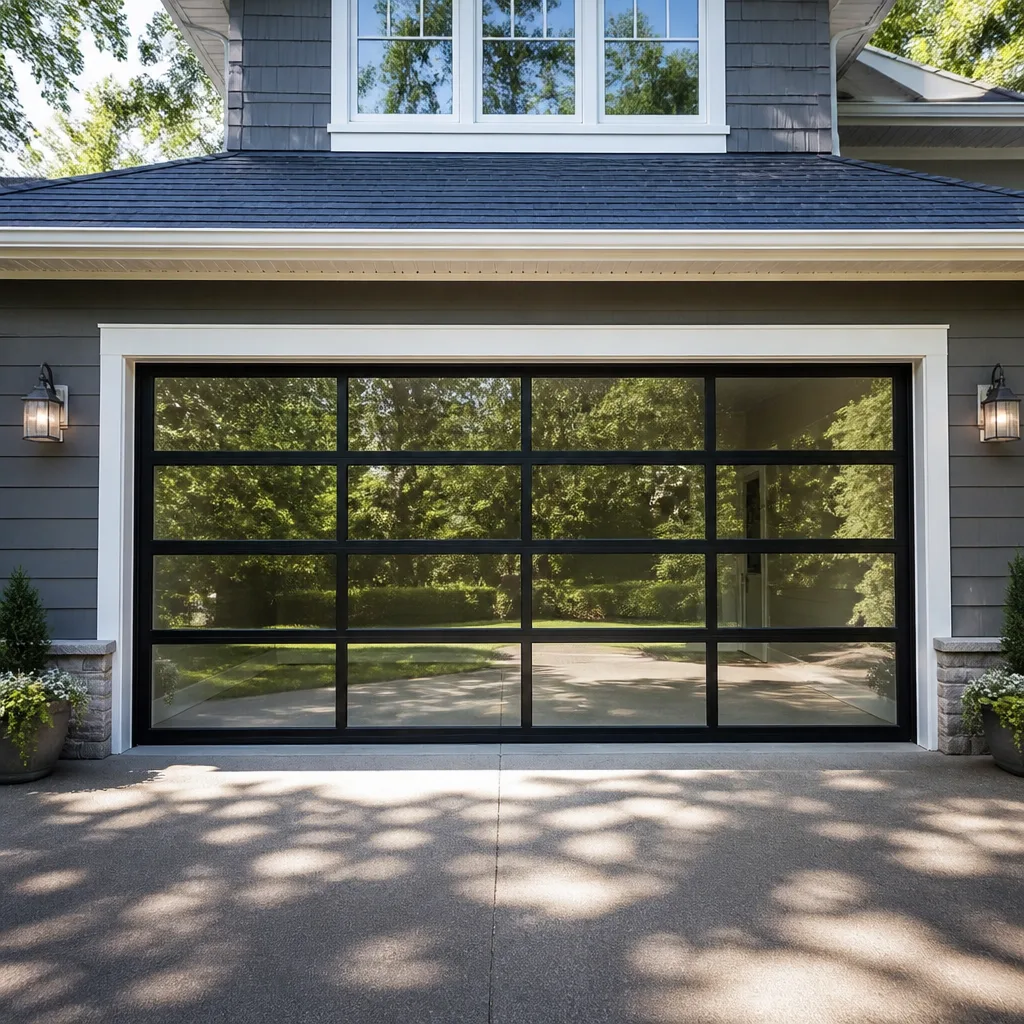 Full-view glass
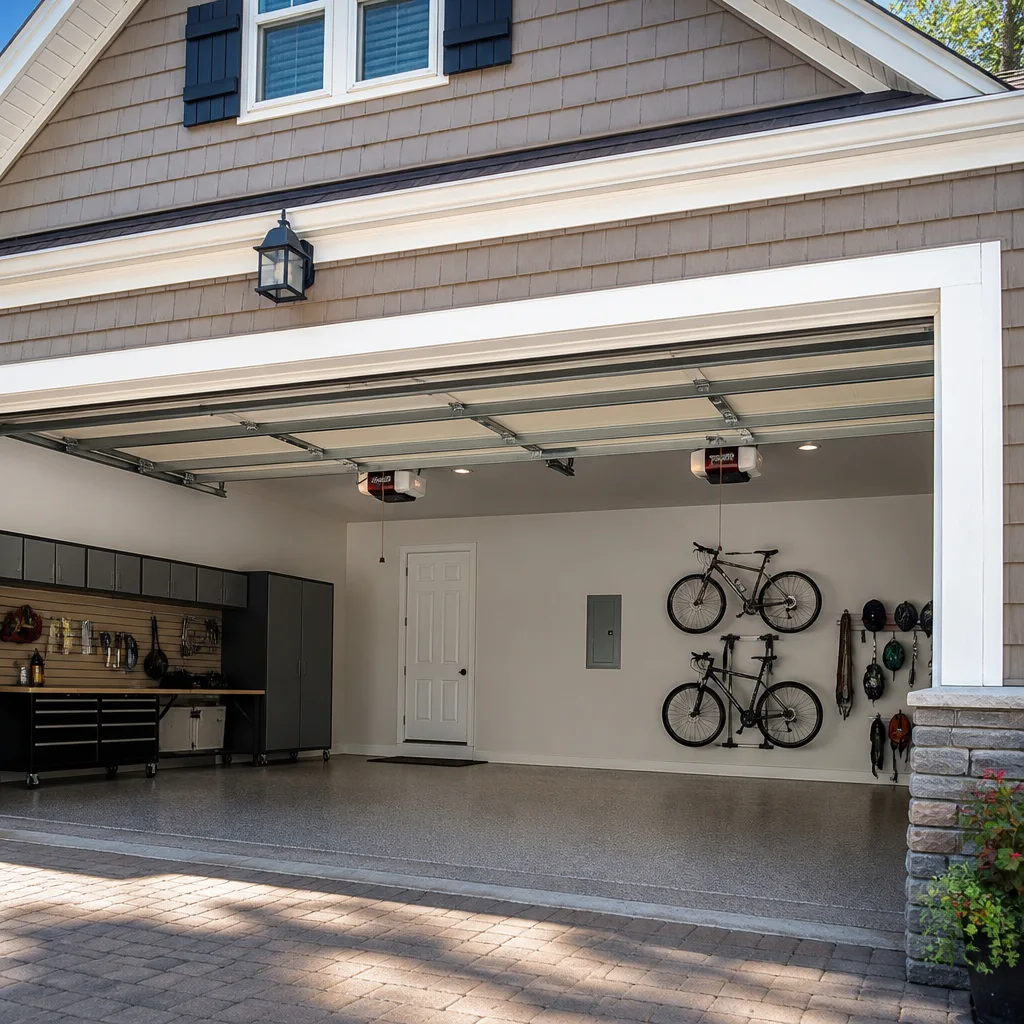 LiftMaster openers
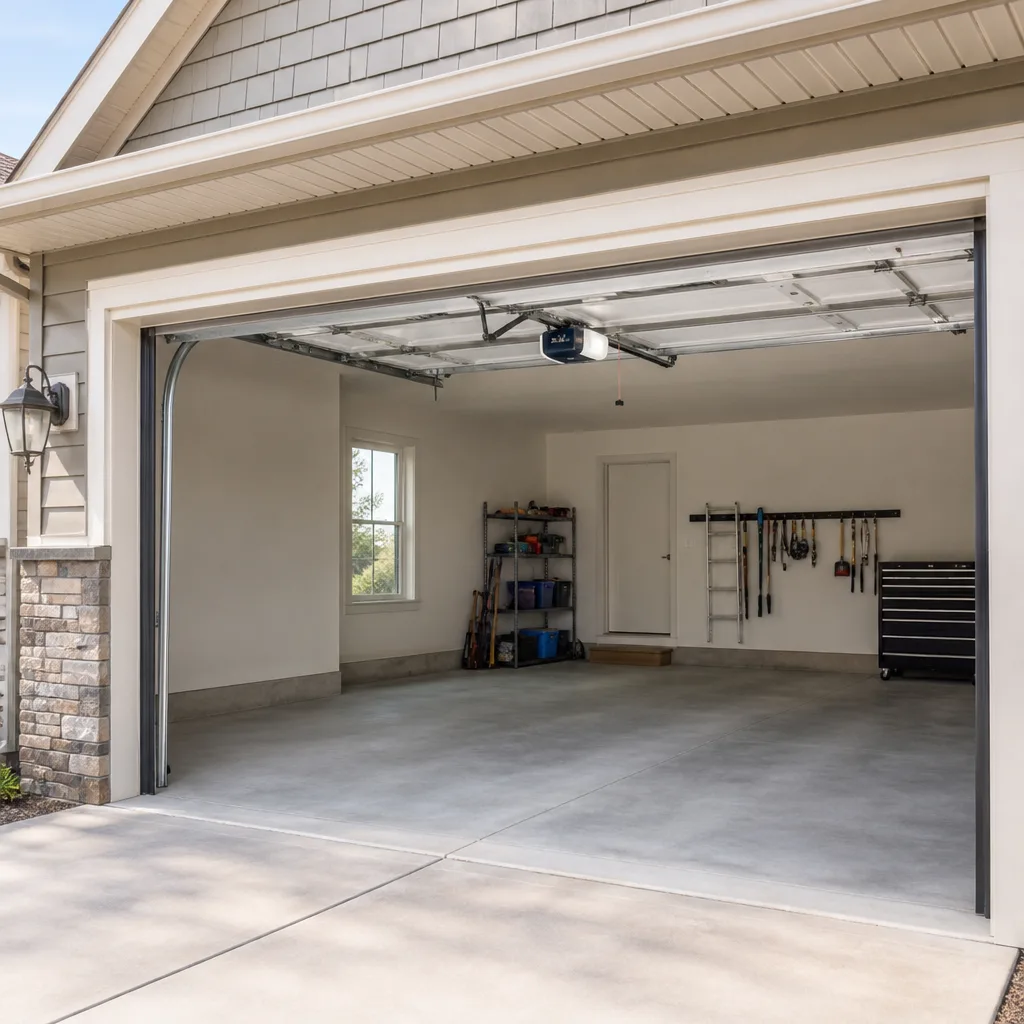 Chamberlain openers
Full 25-point door and opener safety check with every visit - springs, cables, rollers, tracks, and your LiftMaster or Chamberlain opener included
You get a price before we start. It does not change when the truck arrives.
Get your free estimateGarage Door Emergency Preparedness Guide for Milpitas Homes
During the 2019 PG&E Public Safety Power Shutoffs, thousands of Bay Area homeowners learned something uncomfortable: their automatic garage door opener had become the only way into and out of the garage, and when the power dropped, so did their access. In Milpitas, where rolling blackouts, earthquake risk from the Calaveras and Hayward faults, and wildfire evacuation zones all overlap, that discovery has real consequences. Most people don’t know their garage door has a manual bypass built in, or that re-engaging the opener incorrectly is the cause of some of the most common service calls we see. This guide covers the mechanical answers to power outages, seismic events, and evacuation scenarios, with brand-specific instructions for the openers most often installed in Milpitas homes; for more guides & resources, see our blog.
Quick Answer
A garage door emergency in Milpitas almost always comes down to one of three scenarios: a power outage that disables the opener, an earthquake that knocks the door off its track, or a wildfire evacuation that raises questions about whether the garage door should stay open or closed. In every case, the first step is knowing how to pull the manual release cord, which disconnects the door from the opener carriage and allows hand operation; our Garage Door Repair Troubleshooting: Common Problems and How to Fix Them walks through what to check first. The second step is knowing how to re-engage the opener correctly so the door doesn’t slam or lock out.
Styles & brands we work with
- Raised-panel steel
- Carriage house
- Modern flush
- Full-view glass
- LiftMaster openers
- Chamberlain openers
Table of Contents
- How to Manually Release Your Garage Door During a Milpitas Power Outage
- Brand Differences: Why Manual Release Instructions Vary Between Openers
- Post-Earthquake Inspection: What to Check Before Responding to a Calaveras or Hayward Fault Event
- Battery Backup Openers: Real Runtime Specs vs. Marketing Claims
- Securing a Manually-Operated Garage Door From Outside Without a Specialized Lock
- Wildfire Evacuation: When to Leave the Garage Door Open or Closed
- Common Mistakes to Avoid
- When to Call a Professional
- Frequently Asked Questions
How to Manually Release Your Garage Door During a Milpitas Power Outage
The manual release is the red cord hanging from your opener carriage, usually with a plastic T-handle at the end. Pulling it disconnects the door from the motorized carriage so you can lift the door by hand. That’s the simple part. The part that trips people up, especially in a dark garage during a Milpitas power outage, is the sequence: you pull the cord, the door may drop an inch or two, and then you lift from the bottom handles, not the top edge. We see more pinched fingers and popped cables from people lifting from the wrong point than from the release mechanism itself.
Here’s the standard sequence for most residential openers:
- Confirm the door is fully closed. If it’s not, you may need to hold the door steady while a second person pulls the release.
- Pull the red release cord straight down and toward the opener motor. You should hear or feel a click as the carriage disengages.
- Lift the door using the bottom handle or the vertical stiles on the door face. Lift smoothly. If the door feels heavy or binds after a foot or two, stop and check for an obstruction or a broken spring.
- Once the door is open, the carriage will remain in the disengaged position. You can now open and close the door by hand as needed.
Re-engaging the opener after power returns is where damage happens. Pull the release cord again (toward the door this time, not the motor) to re-couple the carriage, or in some systems, press the wall button until the carriage physically re-engages with the trolley. If you re-engage while the door is at the wrong height, the opener can slam the door against the floor or the top of the track. We’ve replaced bent top rails in Milpitas garages because the re-engagement happened while the carriage was in the wrong position, a mistake our Garage Door Repair Maintenance Checklist for Milpitas Homeowners helps you avoid.
Brand Differences: Why Manual Release Instructions Vary Between Openers
Most online guides treat all garage door openers as identical. That’s a problem, because the five most common brands installed in Milpitas homes position their release mechanisms differently enough that generic instructions cause lockouts. If you own a LiftMaster or Chamberlain opener, the release cord is a single red rope hanging directly from the carriage. Pull it once to disengage, and after power returns, press the wall button until the carriage re-engages automatically. If you own a Genie, the release is still a red cord, but the re-engagement procedure differs: on many Genie models, you pull the cord again toward the door and then operate the opener, and the carriage picks up the trolley on the next cycle. Craftsman openers, which share a lot of DNA with older Chamberlain designs, use the same pull-to-release, cycle-to-re-engage logic, but the cord is often shorter and harder to reach in tall garages. Raynor openers are rare but present in some Milpitas homes, and their manual release is typically a side-mounted lever rather than a cord, which is easy to mistake for the emergency disconnect.
The practical point: know which brand opener you have before you’re standing in a dark garage at midnight. The release mechanism is designed to be found by feel, but the re-engagement procedure is not. For details specific to your opener, see our Garage Door Opener Repair in Milpitas page, where we cover the brand-specific quirks that cause most no-op situations.
Post-Earthquake Inspection: What to Check Before Resuming Automatic Operation After a 4.0+ Event
Milpitas sits between two significant fault systems. The Calaveras Fault runs east of the city through the Diablo Range, and the Hayward Fault runs along the western side of the Bay. A 4.0 or larger event in either system is enough to shift a garage door off its track, loosen mounting hardware, or crack the concrete anchor points, so understanding Garage Door Permits, Codes & Inspections in CA: What You Need to Know matters for post-quake repairs. Running the opener before checking these structural points is how a minor seismic event turns into a door collapse.
Before pressing the wall button after an earthquake, walk through this sequence:
- Check the vertical tracks. Stand inside the garage and look up the left and right tracks. The track should be vertical and parallel to the door edge. Any visible bow, twist, or gap between the rollers and the track is a stop-work condition.
- Check the flag bracket and track bolts. At the top of each vertical track is a steel bracket that holds the track to the wall. Bolts should be tight; any visible play or drywall cracking around the bracket means the anchor has shifted.
- Check the horizontal tracks and end bearings. The tracks that carry the door back into the garage should be level and the end bearings should sit firmly in their mounts. A dropped end bearing is the most common post-quake failure we see on Milpitas doors.
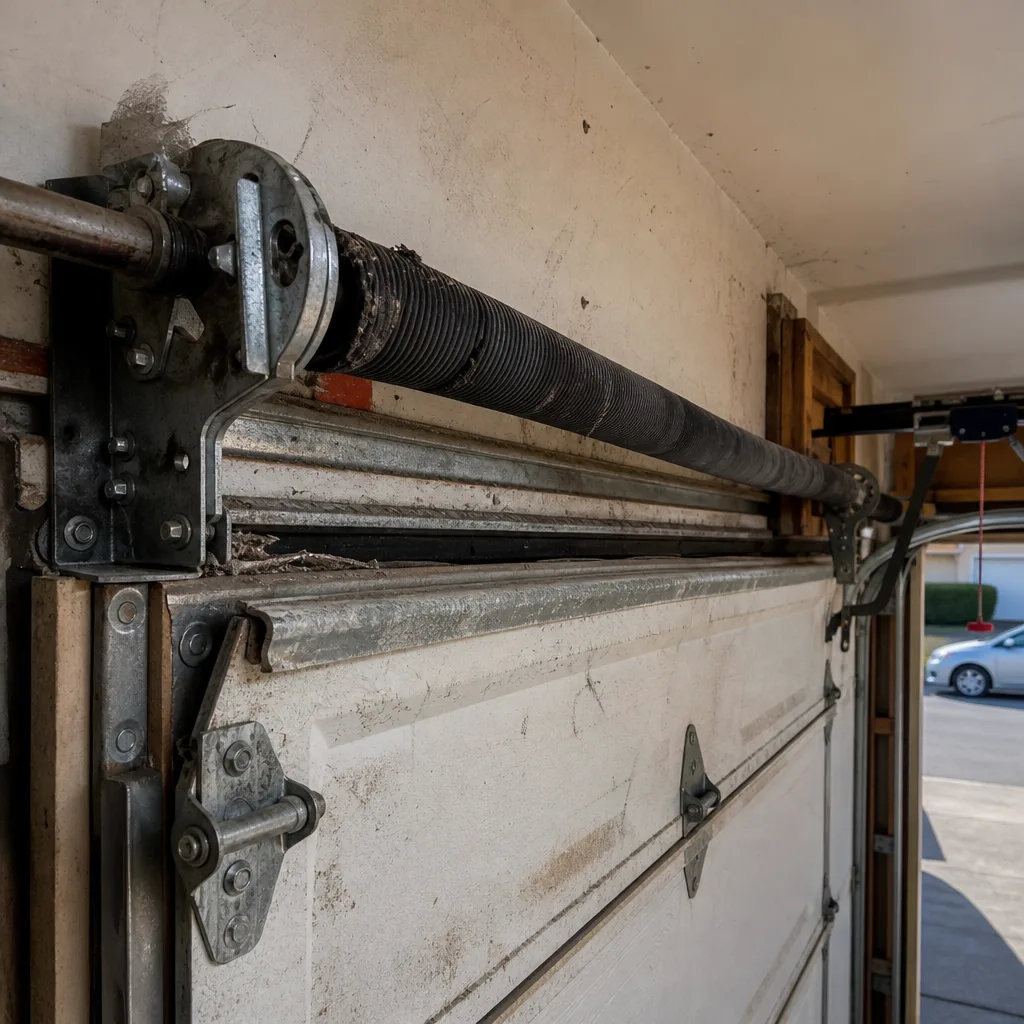
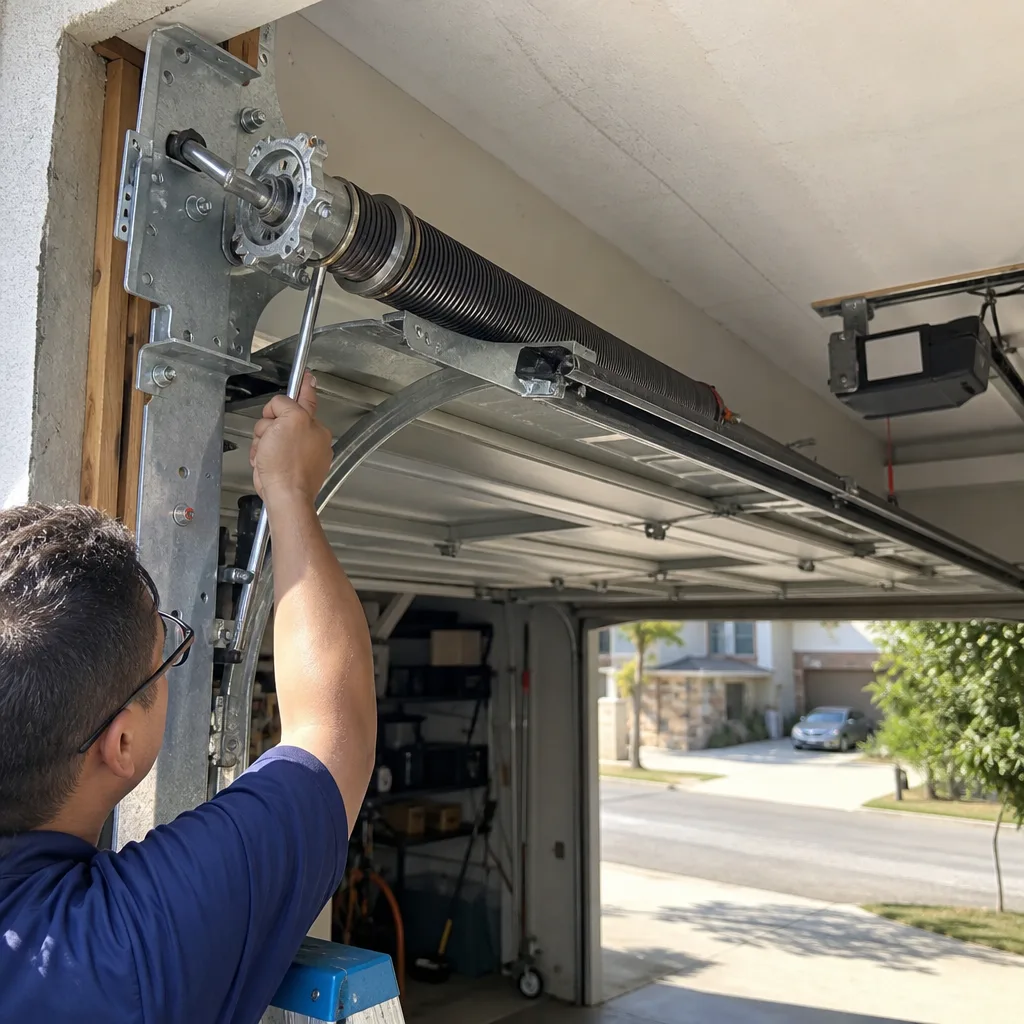
- Check the spring and cable tension. Torsion springs should look evenly wound with no gaps between coils. Extension springs should be straight, not cocked. Cables should be taut on both sides, not slack or crossed.
- Check the opener rail and motor mounts. The rail should be straight and the motor should be firmly attached to the ceiling or side wall. If the rail sags or the motor hangs at an angle, don’t run the opener.
If any of these checks fails, lift the door manually using the release cord and leave it disengaged until you can get a professional to diagnose the damage in Milpitas. Doors that run fine for a week after a quake and then fail at the worst time did not actually escape damage; they ran on misaligned tracks until a roller popped.
Battery Backup Openers: Real Runtime Specs vs. Marketing Claims
“Runs up to 50 cycles on backup power” sounds reassuring, but the number means far less than it appears to. A cycle, in opener marketing, is one complete open and one complete close. That’s the honest part. The dishonest part is that a cycle with a balanced door uses far less battery than a cycle with a door that’s slightly off-balance or fighting an aging spring. We’ve measured battery backup openers in Milpitas homes that delivered 40 solid cycles with a well-adjusted door, and others that died after 15 because the spring had lost tension and the opener was doing double work.
The real-world numbers for the two most common battery backup systems in Milpitas:
- LiftMaster and Chamberlain built-in backup: Advertised at 20 to 50 cycles depending on model. In practice, 20 to 30 cycles is a realistic floor for a door that hasn’t been serviced in five years. That’s enough for a week of typical use or about two days of heavy evacuation traffic.
- Genie external battery backup: Advertised at 50 cycles on select models. External units in Milpitas garages, which run hot in summer, tend to deliver 25 to 35 cycles because heat degrades the lead-acid batteries these units use.
- Craftsman with add-on backup: Similar to Chamberlain numbers. 20 to 30 cycles, but the add-on battery is less common and sometimes not installed even when the opener supports it.
What matters in an evacuation is not the cycle count but the battery’s ability to sit idle for years and still deliver when the power drops. Backup batteries degrade, and almost no homeowner thinks to test them. If your opener is more than three years old and has a backup system, test it now: unplug the opener and run a full open-close cycle. If the door moves slowly or stops mid-travel, the battery is near end of life. This is a standard check during any install or retrofit in Milpitas, and it’s worth doing before fire season, not during it.
Securing a Manually-Operated Garage Door From Outside Without a Specialized Lock
If your opener is dead and you need to leave the house through the garage, you face a problem: how do you secure the door from the outside when there’s no opener to lock it in place? The answer depends on your door type, and the wrong approach creates an attack point or a bent track.
For sectional doors, the most reliable method is a vise-grip clamped onto the vertical track just above a roller. The grip physically stops the roller from moving upward, which prevents the door from being lifted. This works on every brand of sectional door, including Clopay, Amarr, Wayne Dalton, and Raynor. The clamp goes on the inside track, so you’ll need to exit through a house door after setting it. When you return, remove the clamp before attempting to lift the door.
For older one-piece doors, the physics is different. These doors pivot on side hinges, and a track clamp doesn’t work. The practical fix is a padlock through the latch holes on the door or a slide bolt installed at the top corner. Many one-piece doors in Milpitas already have a center latch, but it’s only marginally stronger than nothing.
For any door with an exterior keyed lock, use it. T-handle locks on single-car doors and side slide bolts on double-car doors are factory-installed on many Clopay and Wayne Dalton models. The key point is that these manual lock methods are designed for occasional use during an outage, not for daily or permanent security. Disengage them before reconnecting the opener; running the opener against a clamped track or locked latch is how we end up replacing punched-through top panels.
Wildfire Evacuation: When to Leave the Garage Door Open or Closed
Milpitas sits at the edge of Alameda County’s wildfire risk zone, with the hills to the east and the Diablo Range creating real evacuation scenarios. The question of whether to leave the garage door open or closed during a wildfire evacuation is not a preference; it’s a fire-behavior calculation with real research behind it.
Research from NIST and the Insurance Institute for Business and Home Safety shows that attached garages are the most vulnerable room in a house during a wildfire. Embers enter through soffit vents, under the door, and around the door seals. The garage contains fuels you probably forgot about: cardboard boxes, paints, solvents, fertilizer, your hot water heater, and possibly a second refrigerator. If the garage is closed, embers that find a small gap or a dried-out bottom seal have access to an enclosed fuel compartment, and a fire that starts there can spread into the house through the interior door, which is rarely fire-rated.
If the garage door is open during an evacuation, the house loses very little fire resistance that it actually had. The far bigger factor is time: if you have time to leave, closing the garage door and the interior house door is the standard fire-safe practice. If you do not have time, or if you are evacuating with a full family and emergency supplies, leaving the garage open to move people and supplies faster is acceptable. The door’s main value in a wildfire is preventing ember entry, and an open door obviously does less of that. But a car stuck in the garage because the opener failed during an evacuation is a worse outcome than an open door. This is why the manual release matters: every person in the household should know it, regardless of age, because the garage may be the only vehicle exit when the front door is blocked by smoke or heat.
Common Mistakes to Avoid
- Pulling the release cord with the door in the open position. The door will drop fast, and the only thing that stops it is the spring system, which is not designed to absorb a free-fall. Always release with the door closed, or have a second person holding the door.
- Re-engaging the opener at the wrong carriage position. If you re-engage while the carriage is not directly over the trolley, the opener will run the door into the floor or the top rail. This is the single most common source of post-outage wrecked doors in Milpitas garages.
- Lifting the door by the top edge or the window frames. Manual lifting should happen from the bottom handle or the vertical stiles. Top-edge lifting bends panels, cracks windows, and pulls cables off the drums.
- Testing the backup battery only after the power goes out. Backup batteries fail silently, and most homeowners never test them. A dead backup battery during an evacuation is the same as no backup battery.
- Running the opener after an earthquake without checking the tracks. A 4.0 in the Calaveras Fault can shift the track enough that the next cycle pops a roller off. The damage from one ignored check can far exceed the check itself.
- Leaving a track clamp or slide bolt engaged when power returns. Running the opener against a mechanical lock is how steel panels get punched through. Always remove manual locks before re-engaging the opener.
- Treating the manual release as a daily-use button. The release is an emergency function. Frequent use wears the carriage coupler and makes accidental disengagement more likely, especially on older LiftMaster and Chamberlain units.
When to Call a Professional
You should call a professional when the door does not move smoothly by hand after a manual release, when any of the post-earthquake inspection points fail, when the opener re-engages but slams or struggles, or when the spring system shows visible wear like gaps or rust. High-tension torsion springs are dangerous to work on, and track realignment requires equipment and practice. Milpitas homes with older doors or openers that have never been serviced are the most likely to have latent issues surface during an emergency. Garage Door Service Milpitas offers free estimates in Milpitas. Call (833) 589-9493. For brand-specific diagnosis across LiftMaster, Chamberlain, Genie, Craftsman, and Raynor systems, see our Milpitas home page for the full scope of what we cover.
Frequently Asked Questions
Yes. Every automatic garage door opener installed in Milpitas homes is required to have a manual release, usually a red cord hanging from the opener carriage. Pulling the cord disconnects the door from the motor, and you can then lift the door by hand. Re-engage the opener after power returns by pulling the release again and cycling the opener, or by pressing the wall button until the carriage re-couples. Call (833) 589-9493 if your opener won’t re-engage.
A battery backup opener rated for 20 to 50 cycles will typically deliver 20 to 35 cycles in a Milpitas garage with a door that hasn’t been professionally serviced in years. Heat and battery age reduce the number. Test your backup by unplugging the opener and running a full cycle; if the door moves slowly, the battery is at end of life. For a free estimate on backup system installation, call (833) 589-9493.
Check the vertical tracks for bending or separation from the wall, the flag brackets for loose bolts or drywall cracking, the horizontal track end bearings, the spring and cable tension, and the opener rail and motor mounts. If any of these show movement, leave the door in manual mode and call a professional at (833) 589-9493 before running the opener again.
For sectional doors, clamp a vise-grip onto the vertical track just above a roller from inside the garage, then exit through the house door. For one-piece doors, use a padlock through the latch or a slide bolt. Remove the clamp or lock before re-engaging the opener or the door will suffer panel or track damage.
If you have time, close both the garage door and the interior house door before leaving. The closed door reduces ember entry into the garage, which is typically the most vulnerable room in the home. If you are evacuating under time pressure, an open garage is acceptable; the bigger risk is a vehicle trapped inside because the opener failed and no one knew the manual release.
We work on LiftMaster, Chamberlain, Genie, Clopay, Amarr, Wayne Dalton, Craftsman, and Raynor systems. That covers the vast majority of doors and openers installed in Milpitas. Our diagnosis is brand-neutral, meaning we recommend the right fix for your existing system, not a replacement for a brand we happen to sell. Call (833) 589-9493 for a free estimate.
The Bottom Line
Your garage door is the largest moving object in your home, and it’s also the one most likely to fail at exactly the wrong moment: when the power is out, when the ground has shifted, or when you need to evacuate. The difference between a manageable situation and a dangerous one is almost always whether someone in the household knows the manual release procedure and whether the door has been inspected recently. In Milpitas, where earthquakes and fire-season outages are not hypothetical, the mechanical preparation matters. Pull the release today. Test it. Check the tracks and springs. And write down which brand opener you own, because when you need that information at 3 a.m., you won’t want to be searching for it. If the door doesn’t respond the way it should, call (833) 589-9493. The free estimate is the cheapest insurance you’ll ever buy on the biggest moving piece of your house.
Written by the team at Garage Door Service Milpitas, serving Milpitas since 2011.
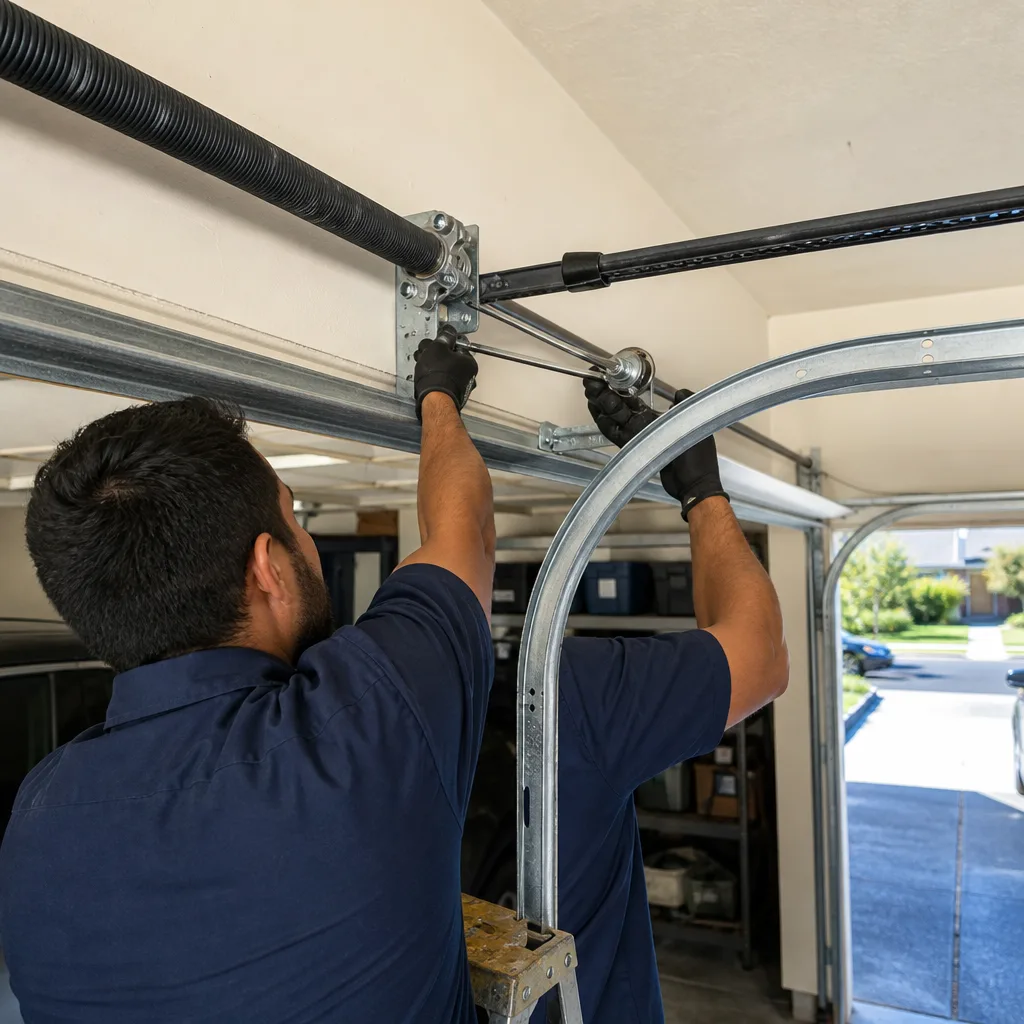
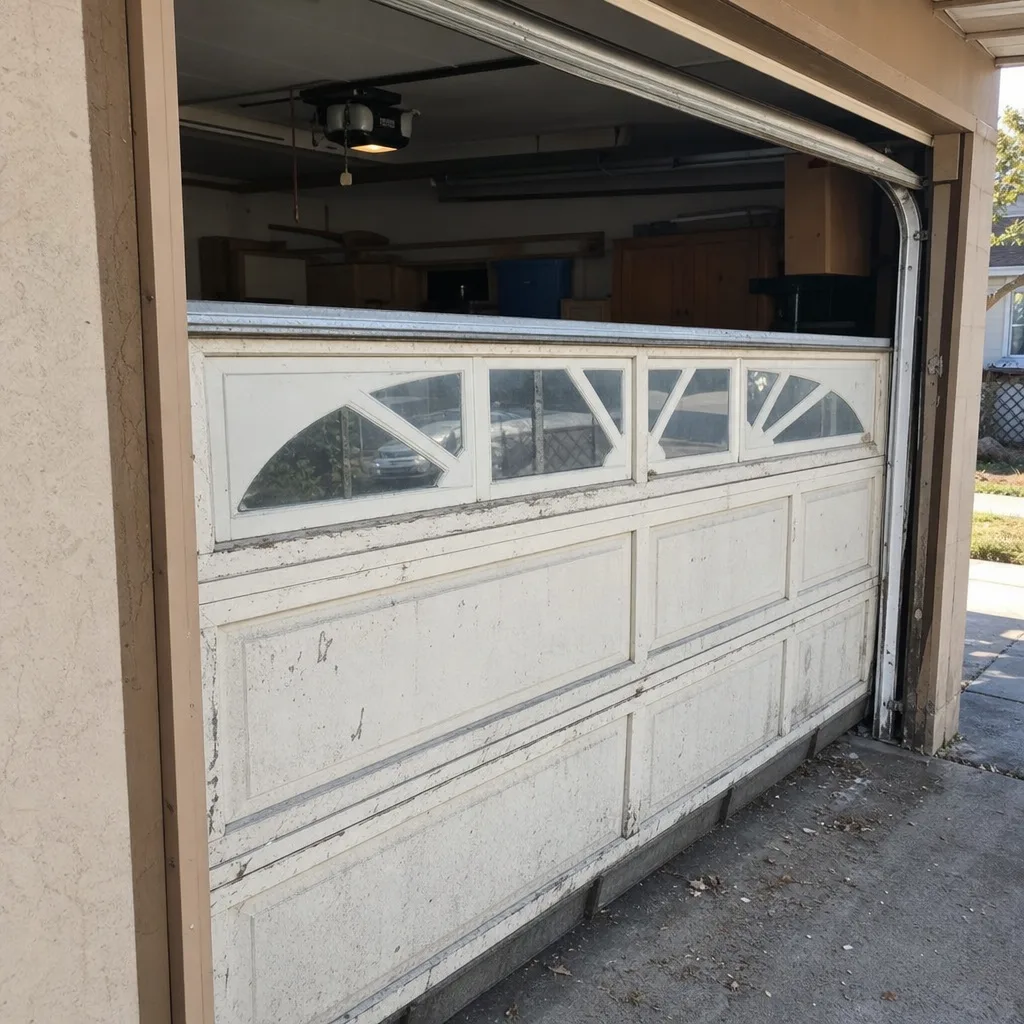
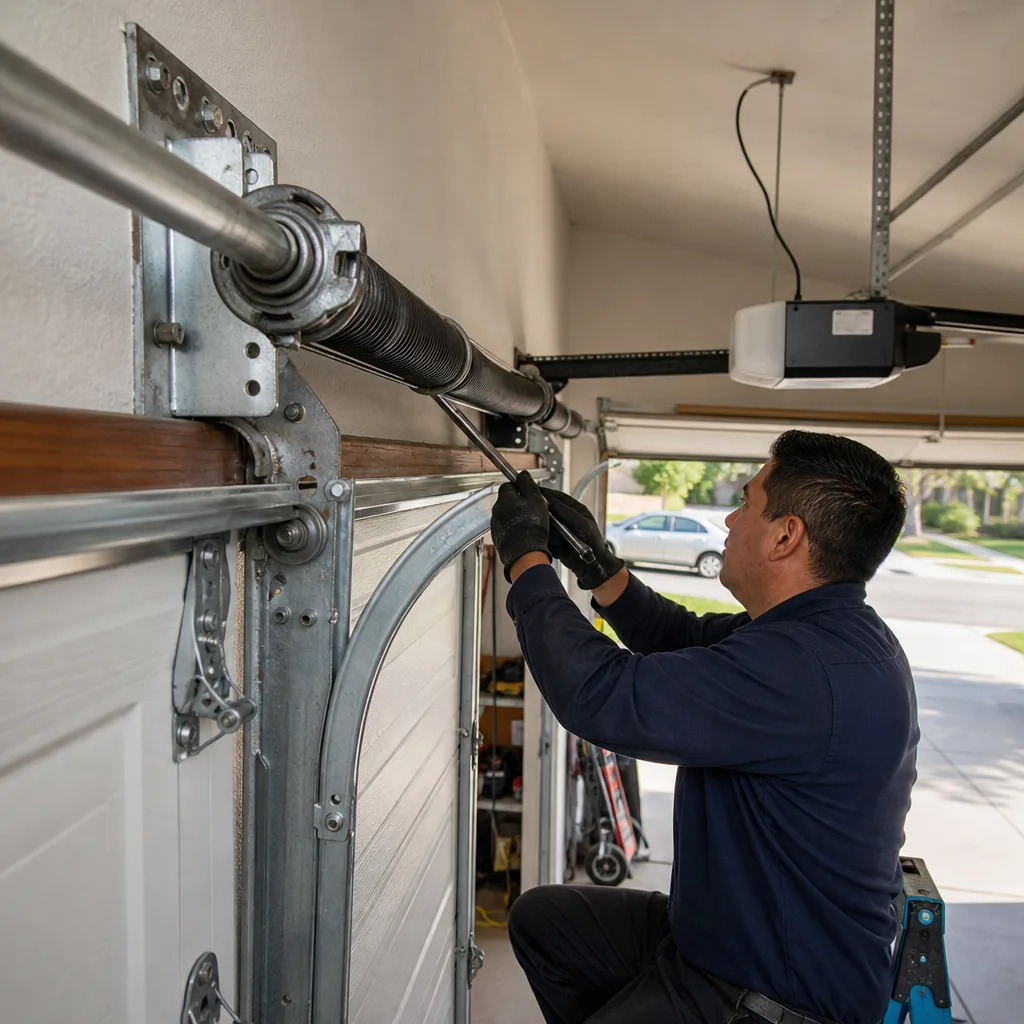
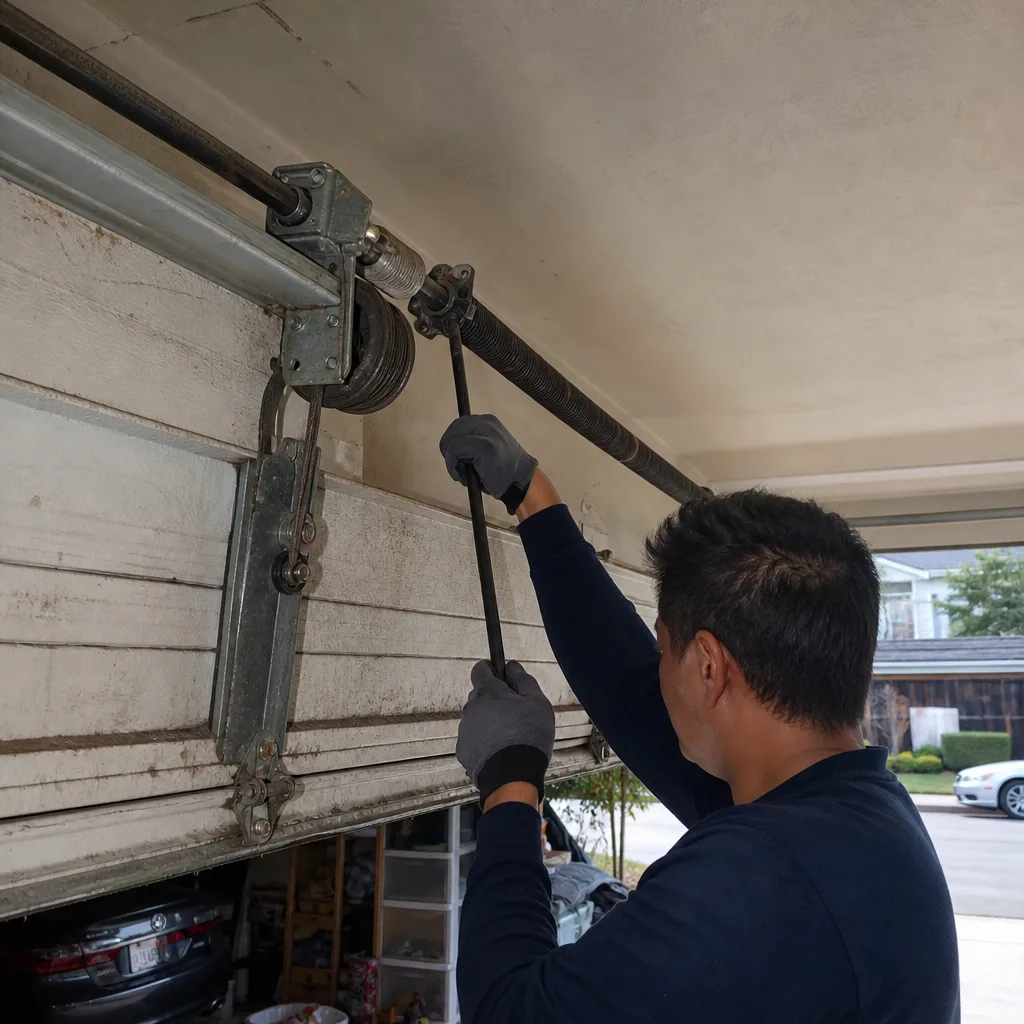
See the difference
 Before
 After
 Before
 After
 Before
 After