
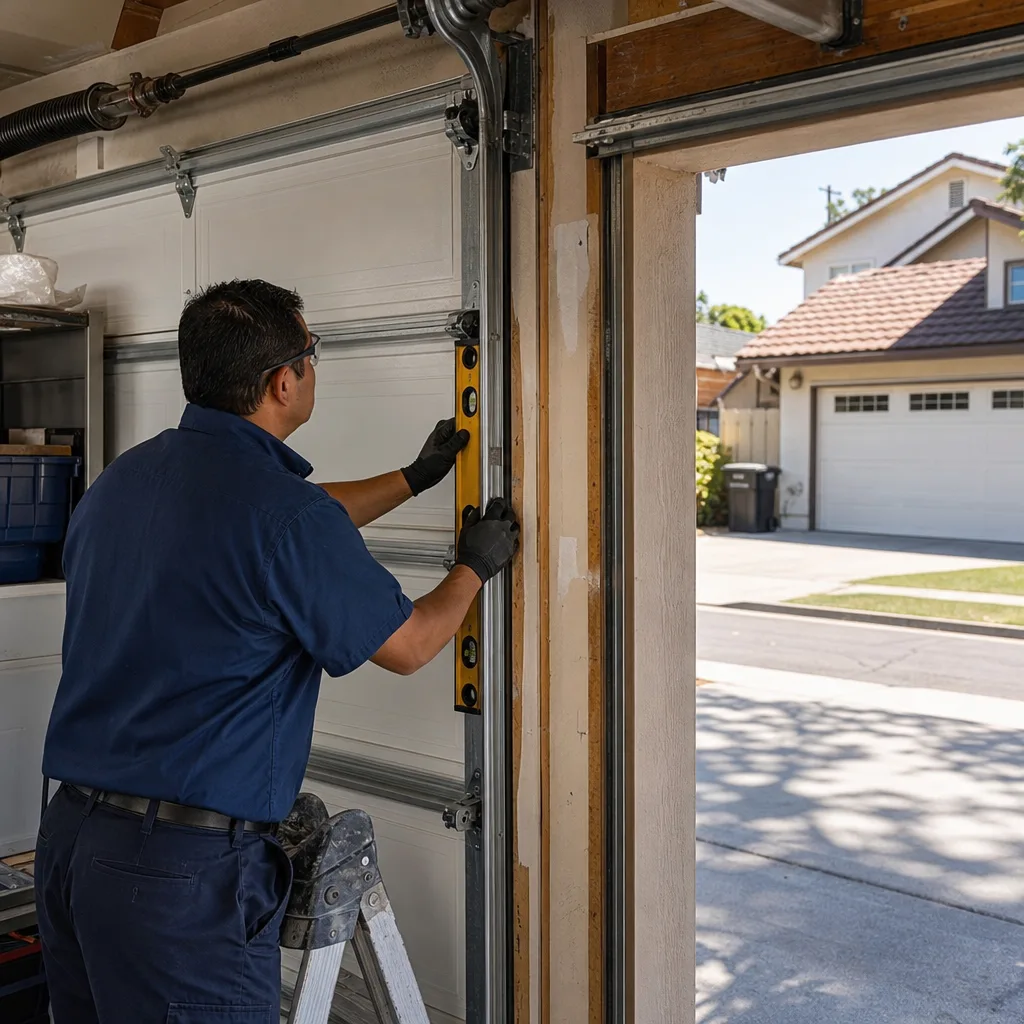
Last updated November 2, 2026
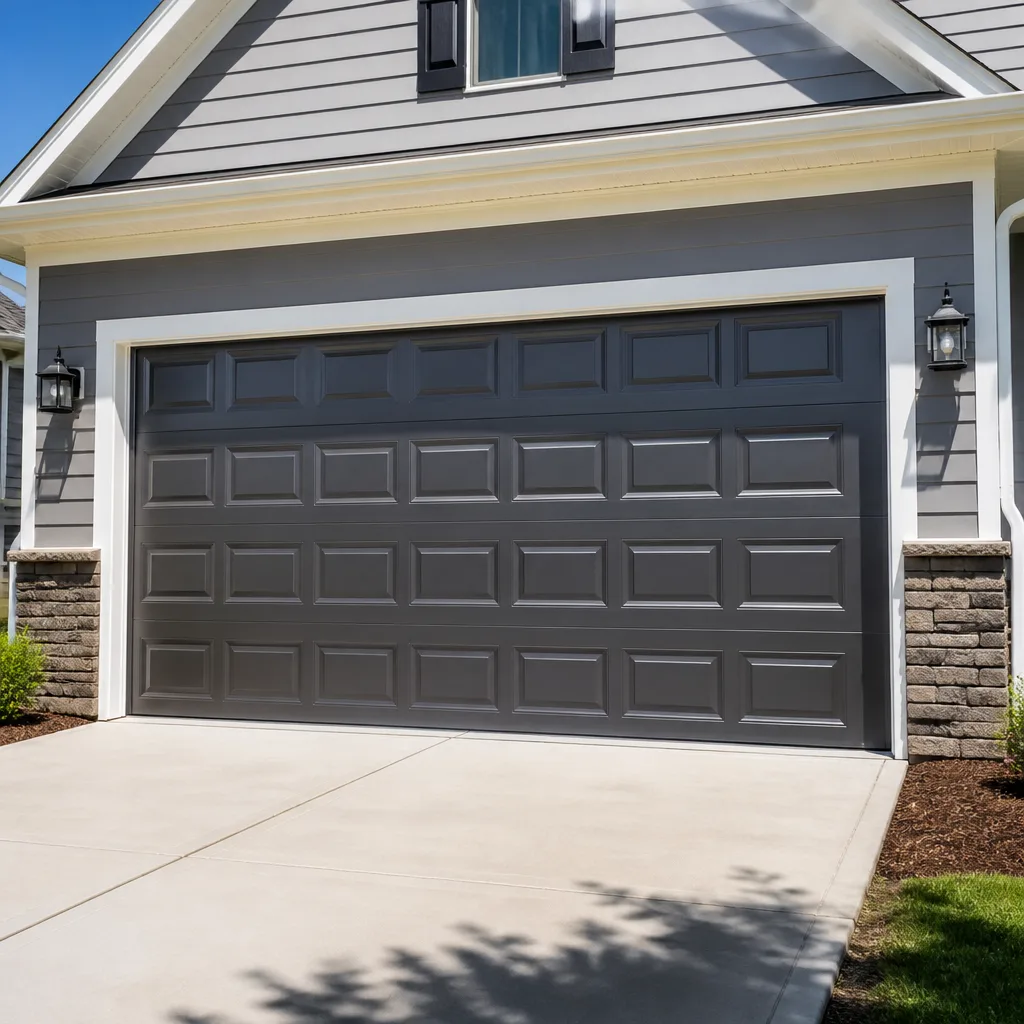 Raised-panel steel
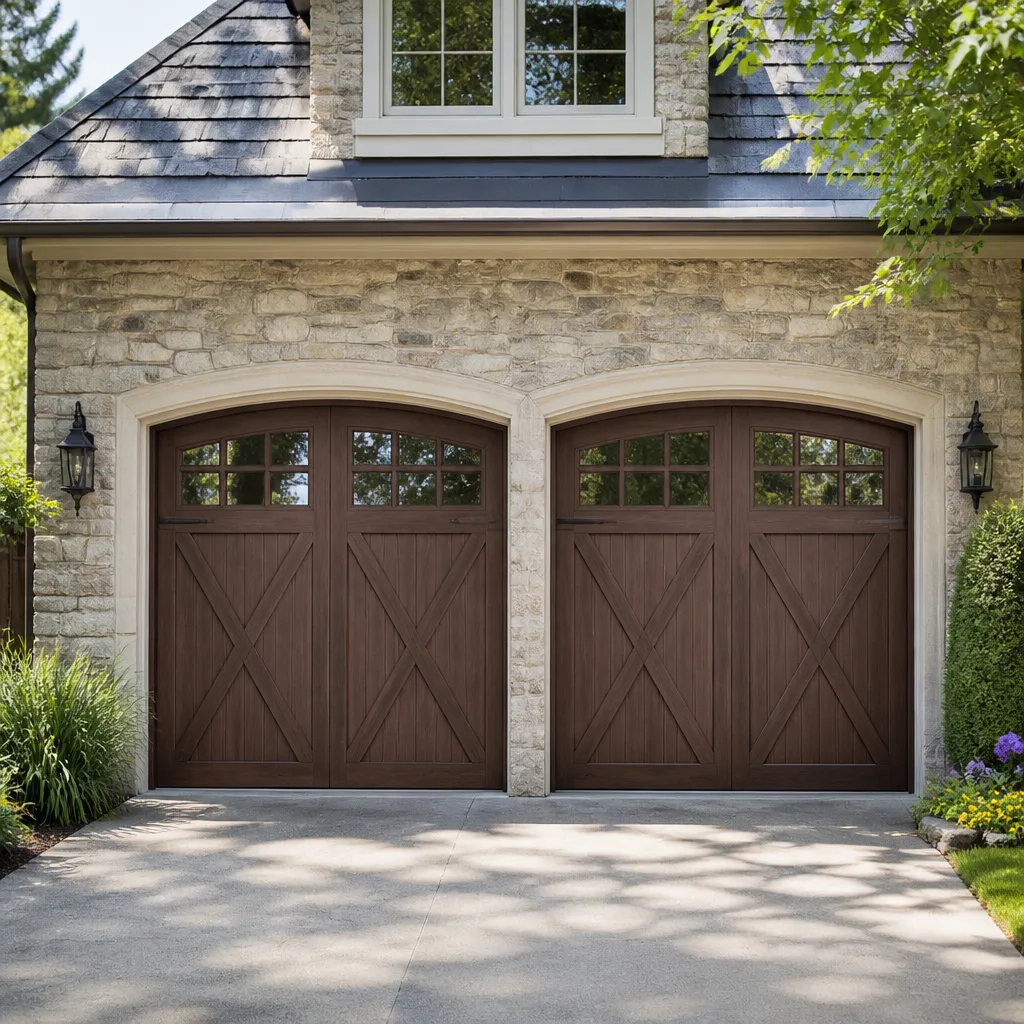 Carriage house
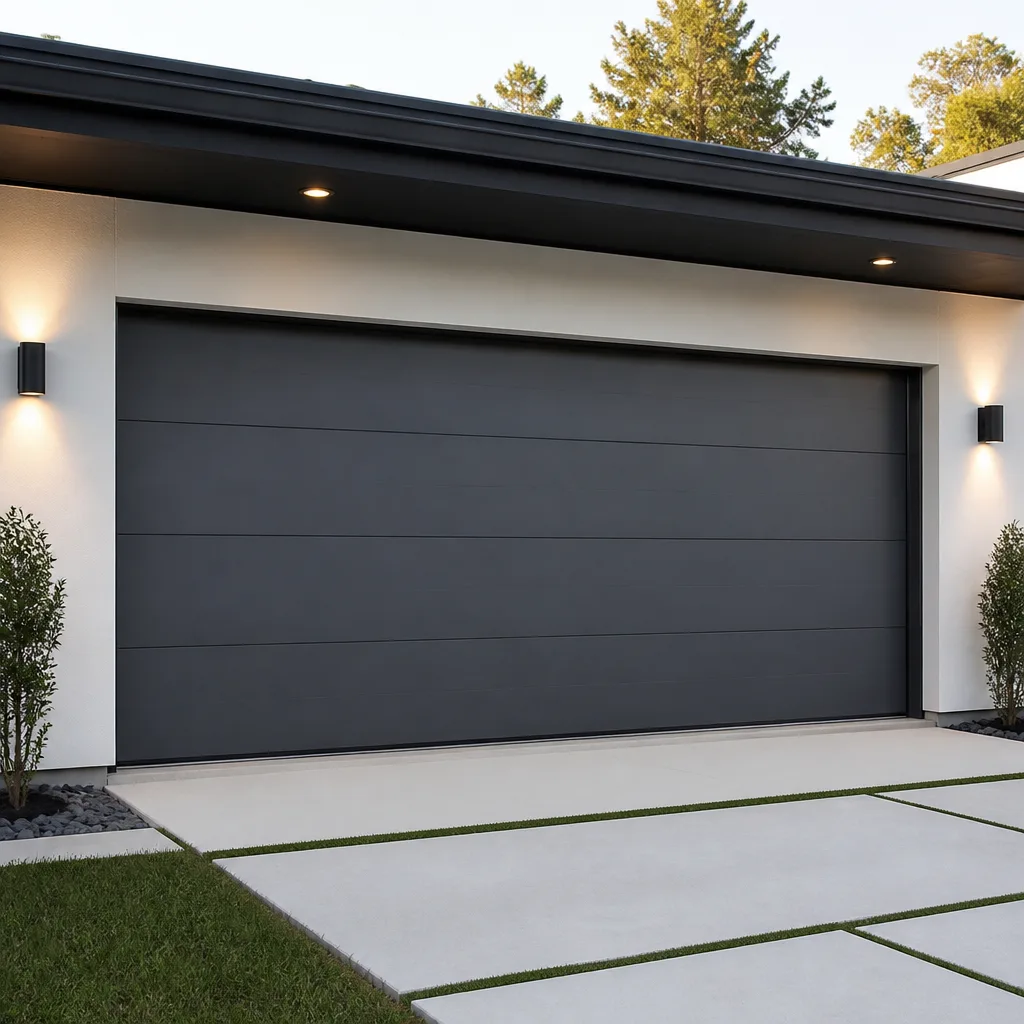 Modern flush
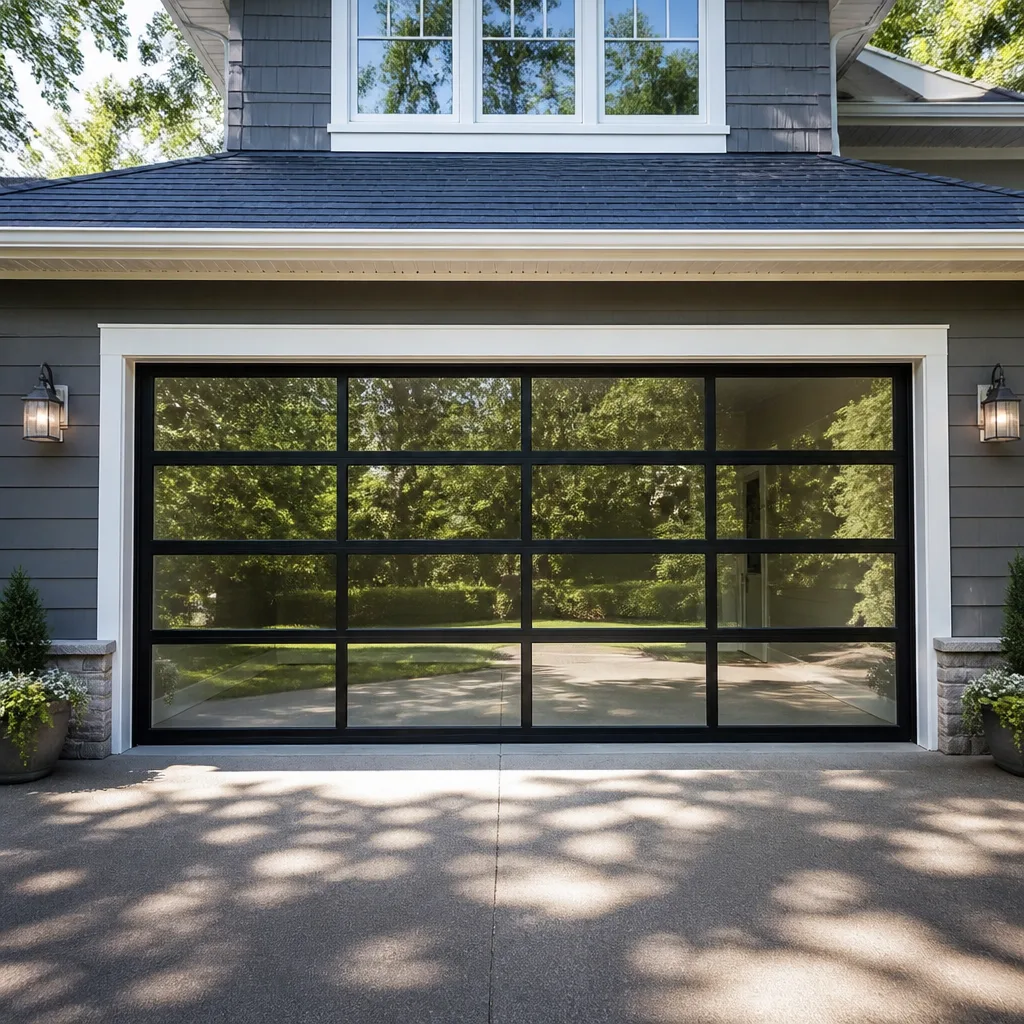 Full-view glass
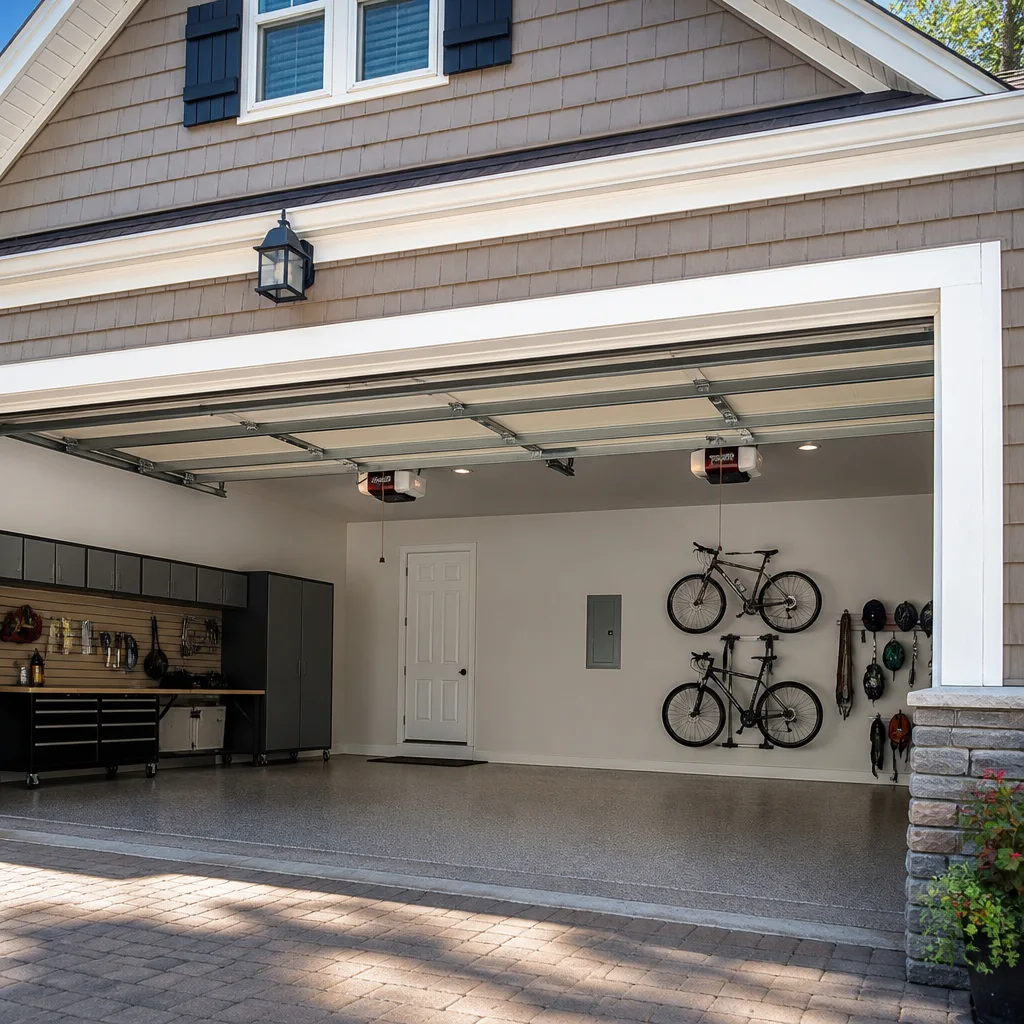 LiftMaster openers
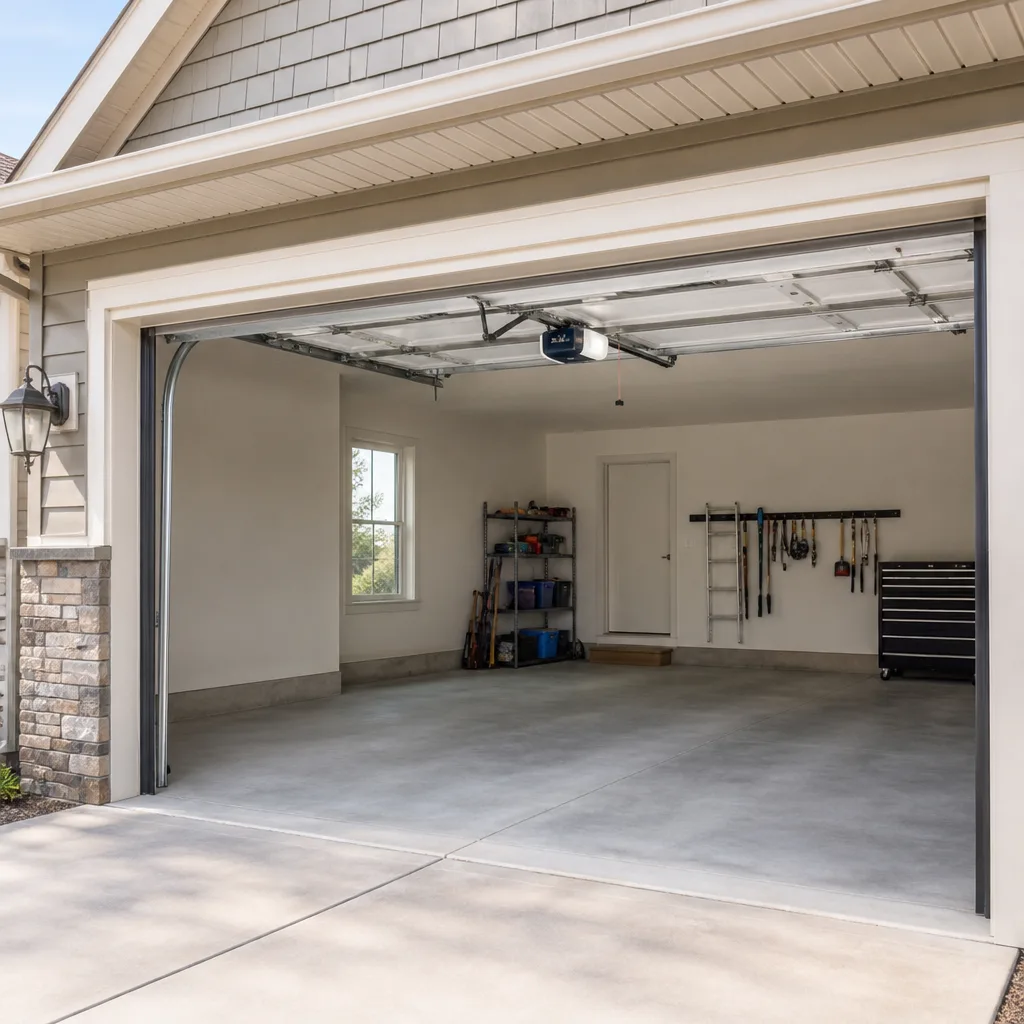 Chamberlain openers
Full 25-point door and opener safety check with every visit - springs, cables, rollers, tracks, and your LiftMaster or Chamberlain opener included
You get a price before we start. It does not change when the truck arrives.
Get your free estimateHow to Hire a Garage Door Contractor in Milpitas: A Step-by-Step Guide
Most homeowners in Milpitas spend more time reading restaurant reviews than vetting the person who will tension a 200-pound door over their car. That’s backwards. A five-star review tells you the technician showed up and was polite; it tells you almost nothing about whether they correctly diagnosed a failing torsion spring before it took out the cable drum on the same visit. This guide replaces gut-feel hiring with a technical interview process. By the time you reach the end, you’ll know exactly which questions separate brand-trained installers from true multi-brand technicians, how to verify a license in under two minutes, and what a legitimate written estimate actually looks like. We’ve seen what happens when Milpitas homeowners skip these steps. It’s expensive.
Styles & brands we work with
- Raised-panel steel
- Carriage house
- Modern flush
- Full-view glass
- LiftMaster openers
- Chamberlain openers
Quick Answer
Hiring a garage door contractor in Milpitas comes down to verifying three things before you book, as detailed in The Complete Garage Door Repair Guide for Milpitas Homeowners: (1) the contractor holds an active CSLB license appropriate for the work, (2) they can name and diagnose your specific door and opener brand without looking it up, and (3) their written estimate lists parts by model number, not vague categories like “spring” or “opener.” Skip any contractor who refuses to talk through their diagnosis on the phone or who demands a fee just to look at the door. Legitimate shops quote free because they know what they’re doing.
Table of Contents
- Step 1: Identify Your Existing Door and Opener Before You Call
- Step 2: Verify the CSLB License in Under Two Minutes
- Step 3: Ask the Three Technical Questions That Separate Real Technicians
- Step 4: Get a Written Estimate That Survives Scrutiny
- Step 5: Compare Quotes When They Quote Different Things
- Red Flags Specific to the Garage Door Industry
- What Milpitas Homeowners Should Know About Local Conditions
- Common Mistakes to Avoid
- When to Call a Professional
- Frequently Asked Questions
- The Bottom Line
Step 1: Identify Your Existing Door and Opener Before You Call
Here’s the counterintuitive part: the best time to prepare for a garage door emergency is before you have one. When a spring snaps at 7 a.m. and your car is trapped inside, you’re not in a position to research anything. You’re in a position to call the first number that answers. That’s how Milpitas homeowners end up with whatever contractor Google happens to surface that morning, not necessarily the right one.
Take five minutes today to write down what you already own. The door brand is usually stamped on the inside of the panel near the bottom or on the top edge. Look for a name like Clopay, Amarr, Wayne Dalton, or Raynor. The opener brand is printed right on the motor unit hanging from the ceiling: LiftMaster, Chamberlain, Genie, or Craftsman are the most common in residential Milpitas garages. If the labels are faded, check the opener’s remote or the wall control panel, which often carries the manufacturer’s name even when the motor unit’s sticker has peeled.
Why does this matter? Because the first question a good contractor asks is “What do you have?” not “What can I sell you?” A technician who works across all eight major brands – LiftMaster, Chamberlain, Genie, Clopay, Amarr, Wayne Dalton, Craftsman, and Raynor – doesn’t need to sell you a replacement to make a profit. A single-brand shop often does. When you know your equipment, you can hear the difference in how the contractor talks about it.
Also note the age if you can find it. Most openers have a manufacturing date printed on a sticker near the model number. Doors from the 1980s and 1990s often have single-panel tilt-up designs or older track systems that some younger technicians have never serviced. Knowing you have a 1992 Wayne Dalton, for example, tells you immediately whether the contractor on the phone has real depth or just a script.
This is the foundation step. If you skip it, you’re evaluating contractors blind. If you do it, you’re evaluating them against a specific job – and that changes everything about how the rest of this guide applies to you. For a deeper look at what common failures look like on specific brands, our Garage Door Repair in Milpitas page covers the failure modes we see most often in this market.
Step 2: Verify the CSLB License in Under Two Minutes
Garage door work in California requires a contractor’s license from the Contractors State License Board (CSLB). Specifically, door and opener work falls under the C-61/D-28 classification, which covers “door and window installation” including residential garage doors and their operators. Some general building contractors (B license) also perform this work legally, but the D-28 sub-classification is the one that tells you garage doors are the actual specialty, not an afterthought.
Here’s the two-minute verification process:
- Go to cslb.ca.gov and click “Check a License.”
- Enter the contractor’s name or license number. Ask for the number on the phone – every licensed contractor has it memorized and printed on every estimate and invoice.
- Look for “D-28” or “Door and Window” in the classification field. A contractor with only a C-10 electrical license, for example, is not licensed to install a garage door opener even if they’re licensed to wire it.
- Check the status. It should read “Active.” “Suspended,” “Expired,” or “Revoked” means walk away.
- Look at the bond and insurance fields. An active license requires a contractor’s bond, and workers’ compensation insurance should be listed if the company has employees.
What the license doesn’t tell you is equally important. The CSLB verifies that a contractor passed a trade exam, carries a bond, and maintains a legal business. It does not verify that the person showing up at your door is the one who passed the exam, that they’ve touched a Clopay door in the last decade, or that they know the difference between a LiftMaster 8160 and an 8500W. The license is the floor, not the ceiling. It filters out the unlicensed operators – of which there are plenty in Milpitas, especially on job boards and social media marketplaces – but it doesn’t rank the licensed ones.
In our experience, roughly one in five Milpitas homeowners who call us with a botched repair job from another company describe a contractor who never showed a license number at all. The work was done cash, off the books, and the door failed again within weeks. A CSLB check would have prevented every one of those situations. This is the fastest, highest-value step in the entire hiring process.
Step 3: Ask the Three Technical Questions That Separate Real Technicians
Here’s where the hiring process stops being about paperwork and starts being about competence. Reviews, licenses, and polite phone manners all filter out the obvious bad actors. The following three questions filter out the mediocre ones who are technically legal but not technically qualified. Ask them exactly as written. The wording is designed to catch script-readers who don’t actually understand how doors work.
Question 1: “What’s your approach to diagnosing a door that’s off-balance?”
A real technician talks about checking the spring tension on both sides, inspecting the cable drums for even winding, measuring the gap between the door and the jambs, and testing the opener’s force settings. A salesperson talks about “needing to take a look” and “giving it a full assessment.” The difference is specific versus vague. Listen for the word “torsion” or “extension” when they reference springs. Listen for them to mention the cable drum by name. If they can’t name the components they’re claiming to diagnose, they can’t diagnose them.
Most importantly, they should mention the failure you described. If you said your opener is straining and they immediately pivot to “you probably need a new door,” that’s not a diagnosis. That’s a sales funnel. A technician who works across brands like LiftMaster, Chamberlain, and Genie knows that many “door failures” are actually opener problems, and vice versa. The two systems interact, and the diagnosis should acknowledge that.
Question 2: “Do you carry parts for my brand on the truck?”
This question has to be asked before you’ve told them what brand you own. Wait for their answer. A multi-brand contractor says something like: “We stock torsion springs, cables, rollers, sensors, and opener components for the major brands – LiftMaster, Chamberlain, Genie, Clopay, Amarr, Wayne Dalton, Craftsman, Raynor. If it’s an off-brand or discontinued part, we source it same-day or next-day.” A single-brand shop hesitates. They say: “We can order whatever you need” – which means a return visit, another service fee, and a garage that’s still broken.
Why does this matter so much in hiring? Because in Milpitas, where most homes are 10 to 30 years old, the doors are aging. Parts wear out: torsion springs have a finite life, cables rust, roller bearings seize, opener gears strip. The contractor who stocks parts for your brand – especially a Craftsman opener from the 2000s, which is one of the most common in this city’s older neighborhoods – is the one who can fix it same-day. The contractor who orders everything is scheduling you for a follow-up that has to be coordinated around your work hours. That’s a real cost even when the invoice is the same.
Our Garage Door Opener Repair in Milpitas page goes deeper on why opener repair is its own specialty and how we approach it, but for the purposes of hiring: ask about truck stock, and listen for whether they know your brand by name without prompting.
Question 3: “When would you recommend repair over replacement?”
This is the brand-neutrality test. The correct answer is some version of: “When the door panels are in good structural shape, the tracks are sound, and the failure is isolated to a serviceable component – springs, cables, rollers, hinges, or opener components – repair makes more sense.” The wrong answer is: “Depends on the situation” with no follow-up, or a long explanation of why financing makes replacement “affordable” for any door over five years old.
A contractor who makes more money selling doors than fixing them will find reasons to replace. A contractor with a flat service fee and a brand-agnostic parts supply has no incentive to push you toward a new installation unless the math genuinely supports it. Ask about their incentive structure indirectly with this question, and listen to whether the answer centers on your door or on their inventory.
This is core to how we work at Garage Door Service Milpitas home: the existing system is always the starting point. We work on your brand, not around it.
Step 4: Get a Written Estimate That Survives Scrutiny
A written estimate is not a courtesy. It is a diagnostic document disguised as a price sheet, and a legitimate one tells you as much about the contractor as the repair appointment does. Here’s what a real estimate for garage door work in Milpitas includes, line by line:
- Parts identified by model number and manufacturer. “Torsion spring” is not a part number. “Clopay EZ-Set 0.225 wire, 2-inch ID, 24-inch length” is a part number. If the estimate doesn’t specify the spring gauge and cycle rating, the contractor can install a cheaper low-cycle spring and charge you for a high-cycle one, and you’d never know the difference until it fails early.
- Labor broken out separately. The labor should be listed as its own line item, not baked into a lump sum. This lets you see what the work costs versus what the parts cost, and it means the contractor is being transparent about both.
- Warranty terms in writing. Just as important as cost. A spring rated for 25,000 cycles should carry a longer warranty than one rated for 10,000. The estimate should state the warranty on parts and labor separately. “We stand behind our work” is not a warranty. “Parts warranty 5 years, labor warranty 1 year, in writing” is a warranty.
- Specific scope of work. “Door repair” is vague. “Replace two torsion springs, inspect cables and drums, lubricate rollers and hinges, test balance and opener force settings” is a scope. The estimate should read like a plan, not a receipt.
Compare this against the estimates we see from questionable operators in Milpitas: “Garage door service – $449” with no breakdown. “Door and opener assessment – $89.” “Parts as needed.” These are not estimates. They are blank checks. And the contractors who write them know exactly what they’re doing: building in room for the invoice to grow once the door is disassembled and you’re standing in the garage with your car blocked in.
One more thing: the estimate should be free. Legitimate garage door contractors quote over the phone for common repairs and provide written estimates at no charge for more complex work. The “assessment fee” model, where a technician shows up for a fee and then applies it toward the repair, is common among shops that survive on what they can upsell during the visit. If a contractor in Milpitas asks for money just to look at your door, treat it as a signal that the business is built on sales volume, not on repair accuracy.
Step 5: Compare Quotes When They Quote Different Things
Here’s the scenario every Milpitas homeowner hits sooner or later: you call three contractors about a broken spring. The first quotes $289, the second $420, the third $650. Different prices for what sounds like the same job. Most people take the cheapest or the middle. Both are wrong.
Garage door quotes are only comparable when they specify the same materials. A $289 spring replacement almost certainly means a pair of standard-cycle springs rated for 10,000 cycles, which translates to roughly seven to ten years of normal use in a Milpitas garage where the average door opens three to five times a day. A $650 quote probably includes high-cycle springs rated for 25,000 to 30,000 cycles – roughly two to three times the lifespan – along with a longer labor warranty and possibly new cable drums if the installer judges them worn.
Neither quote is wrong. They’re for different products. The mistake is comparing them by price alone.
To compare quotes accurately, create a simple matrix. Along the top, list the three contractors. Down the side, list: spring make and model, cycle rating, parts warranty, labor warranty, cable replacement included, balance test included, and cleanup included. Fill in each cell. What you’ll find is that the $650 quote typically looks a lot more reasonable once you see what’s actually included, and the $289 quote often doesn’t include a balance test or a warranty beyond 30 days.
The same applies to opener replacement. A quote for a LiftMaster 8360W with battery backup and a wall console is not comparable to a quote for an 8160 with a remote only. Both are legitimate products, but one includes features that cost real money. The contractor who explains these differences without being asked is the one who understands the equipment. The contractor who says “it’s the same thing, mine’s just cheaper” is lying or incompetent.
For door replacement, compare insulation R-value, steel gauge, spring cycle rating, track type, and warranty, not just the panel price. A 2-inch insulated polyurethane door from Clopay or Amarr costs more than a 1-3/8-inch non-insulated steel door, and it should. If you’re comparing quotes for full Garage Door Installation in Milpitas, insist that each quote names the exact panel model, the spring system, and the hardware grade. Otherwise you’re comparing apples to whatever the contractor decided to sweeten the deal with that day.
Red Flags Specific to the Garage Door Industry
Every trade has its bad actors, but garage door work has some signature moves. These are the ones we hear about from Milpitas homeowners most often:
- The unmarked van. Legitimate garage door contractors drive vehicles with company names, license numbers, and phone numbers on them. An unmarked personal vehicle means the contractor is either unlicensed, operating under the table, or deliberately making themselves hard to find after the job goes wrong.
- Refusal to quote over the phone. Some jobs genuinely require an in-person visit, but broken springs, cable replacements, and most opener repairs can be quoted on a brief phone call if the technician knows what they’re doing. “We have to see it first” is often code for “we need to get in front of you to pressure you.”
- The assessment fee. Covered above, but worth repeating: paying a fee to have someone evaluate your door is not standard in this industry. Free estimates are the norm, and any contractor who charges for a look is telling you they don’t convert enough estimates to survive without one.
- Pressure to replace instead of repair. If a technician spends more time talking about financing options than about your specific door’s failure, you’re not talking to a repair technician. You’re talking to a salesperson who intends to replace your door whether it needs it or not. Our position is simple: no replacement pitch if a repair will do.
- Vague estimates. “Garage door repair – $500” without a parts list or scope of work is not an estimate. It’s an invitation for the price to change mid-job. Walk away.
- The “while I’m here” upsell. A common move: the technician quotes a fair price for the repair, then discovers that your rollers “are shot,” your track is “out of alignment,” and your opener “might not last the month.” Some of this may be true – old doors do have worn components. But a technician who builds trust through specific diagnosis (showing you the flat spots on the rollers, the play in the hinges) is different from one who generates fear. Ask to see what they’re talking about. If they can’t show you, they’re selling.
None of these red flags are unique to Milpitas, but they cluster in markets like this one – high density, lots of 20-to-30-year-old housing stock, and plenty of busy homeowners who need the door working before their commute. That’s a market made for volume sales operations, and distinguishing those from repair specialists is exactly what this guide is for.
What Milpitas Homeowners Should Know About Local Conditions
Milpitas has a specific climate profile that affects garage door equipment in ways a generic guide won’t cover, which is why we published Seasonal Garage Door Care for Milpitas: Year-Round Homeowner’s Guide, and an informed hire takes this into account. Understanding these local factors means you can better understand why a technician recommends what they recommend.
First, the marine layer and morning fog that rolls through Milpitas from the Bay means cooler, more humid garage environments than inland East Bay cities during the summer months. Humidity accelerates oxidation on bare steel components: springs, cables, hinges, and the internal gears of older screw-drive and chain-drive openers. A technician who understands Milpitas conditions will note surface rust on springs and cables and factor that into the replacement recommendation. One who doesn’t may replace a rusted spring without asking why it rusted – or whether the cables need attention in the same service window.
Second, the housing stock. A significant portion of Milpitas residential garages date to the city’s rapid construction booms of the late 1970s through the early 1990s. That means wood-paneled sectional doors, often Clopay or Wayne Dalton, with track systems that have been in service for 30 years or more. Rollers wear, tracks drift, and openers from that period – primarily Craftsman and older Genie units – are at or beyond their designed service life. A contractor who works those older systems day in and day out, and maintains parts inventory for them, provides a meaningfully different service than one whose experience is limited to newer doors in newer subdivisions, as covered in Choosing the Right Garage Door Brand: A Buyer’s Guide for Milpitas.
Third, the commuting pattern. Milpitas sits at the intersection of 680, 880, and 237, and a large share of homeowners leave early and return late. That creates a practical hiring constraint: when the garage door fails at 6:30 a.m., the homeowner is often already late. Contractors who serve Milpitas understand this and structure their schedules accordingly – but the homeowner should still be realistic about what “same-day” means when the call comes in at 6:40 and the spring snapped at 6:30. The contractor who quotes a realistic time window rather than just saying “we’ll be right out” is the one who actually manages their schedule.
None of this changes the hiring process in this guide. It reinforces it. The technical questions, license verification, and estimate requirements remain the same. But knowing your local conditions means you can press for specifics with confidence. When a Milpitas technician tells you the cables need replacement because of coastal humidity corrosion, you’ll know whether they’re reading your door or reading a script.
Quick Answer (recap): Hire a contractor in Milpitas who (1) holds an active CSLB C-61/D-28 license, (2) names your door and opener brand from the first call, (3) provides a written estimate with model-numbered parts and stated warranties, and (4) quotes free. Compare quotes on the materials, not the bottom line. Skip unmarked vans, assessment fees, and refusal to quote over the phone.
Common Mistakes to Avoid
- Calling one contractor and stopping. When the door is broken and the car is trapped, the temptation is to book the first available slot. That’s survivable if you know what to ask on the phone, but many Milpitas homeowners don’t. Call at least two. The comparison itself is informative even if you end up going with the first one.
- Filtering only by star rating. A 4.9-star contractor with 20 reviews is not necessarily better than a 4.6-star contractor with 300. Low review counts are easy to game. More important is what reviewers mention: do they talk about specific brands, specific parts, and specific diagnoses, or just “friendly service” and “fixed my door”?
- Accepting a verbal quote. If it’s not written, it didn’t happen. Insist on an email or a printed estimate with the breakdown described in Step 4.
- Letting a contractor sell you an opener you didn’t ask about. Replace the opener because it failed or is failing, not because the technician happens to have one on the truck. Same for the door.
- Ignoring warranty differences. A “5-year warranty” for a spring that costs $180 for the pair is presumably a low-cycle spring with a parts-only warranty that doesn’t cover labor. The $320 springs with a 10-year full warranty may actually be cheaper per year of service. Do the math.
- Not testing the door after the repair. Most legitimate technicians run through a balance test, a force-setting check, and an auto-reverse test before leaving. You should run the door open and closed two or three times and ask what was adjusted. If the tech can’t tell you, the job isn’t done.
When to Call a Professional
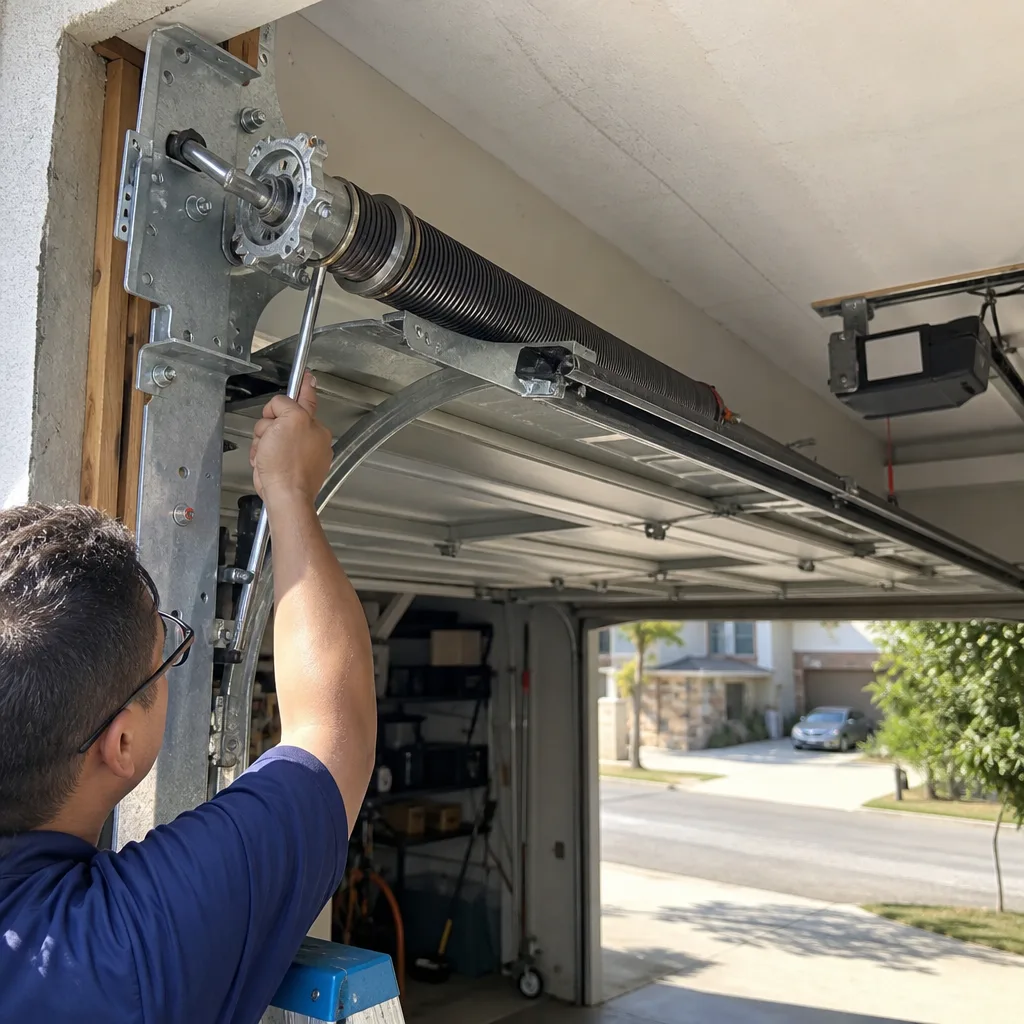
Here’s the truth about garage door repair: the components under tension can seriously injure or kill you. Torsion springs are wound under hundreds of pounds of force. Cables run through pulleys under load. An untrained person attempting to unwind a torsion spring, remove a cable from a drum, or re-tension a door that’s off its tracks is risking a serious accident. This is not a nanny warning. It’s the difference between a $300 repair bill and a hospital visit.
Call a professional when: the spring snaps, the door comes off the tracks, the cables are frayed or visibly loose, the opener is grinding or smoking, or any repair involves removing or adjusting the springs. You can safely check the auto-reverse function, lubricate hinges with white lithium grease, and visually inspect components – but anything involving stored tension is a trained technician’s job.
For Milpitas homeowners, the most practical advice is this: if the door is heavier than normal when you lift it manually, something is wrong, and it’s probably the springs. Don’t keep operating the door and hoping it holds. Every cycle on a failing spring is a cycle closer to a sudden failure that can damage the door panels, the tracks, or your car.
Garage Door Service Milpitas offers free estimates in Milpitas – call (833) 589-9493. We’ll talk through what you’re seeing on the phone, give you a straight answer about whether it’s a repair or a replacement situation, and never charge just to look. The diagnosis comes first.
Frequently Asked Questions
Most Milpitas garage door repairs range from $180 to $340 for a typical torsion spring replacement, including parts and labor on the truck. Opener repairs typically run $150 to $300 depending on the component. Full door replacements range widely by panel quality and insulation, from roughly $1,200 to $4,500 installed. These are realistic local ranges, not quotes. The only way to get an exact number is to call us at (833) 589-9493 with your door and opener details – estimates are free and the price is agreed before any work starts.
For spring failures, cable snaps, and doors that won’t open, same-day service is standard among established Milpitas contractors, including us. For opener replacement or full door installation, the work requires measuring, ordering, and scheduling, so same-day is not realistic and any contractor who promises it is cutting corners. Call (833) 589-9493 as early in the day as possible for same-day repair availability.
Not if the quote is based on a real diagnosis and a written estimate. The price is quoted and agreed before any work starts, and that’s the standard legitimate contractors follow. If a contractor arrives, takes the door apart, and then announces the price has gone up, that’s a negotiation tactic, not a repair estimate. We quote the work, write down the number, and hold to it unless you ask for something additional.
Multi-brand contractors do. We stock torsion springs in common Milpitas sizes, cables, rollers, hinges, sensors, and opener components for LiftMaster, Chamberlain, Genie, Clopay, Amarr, Wayne Dalton, Craftsman, and Raynor systems. That’s what allows a same-day repair on a single visit. Ask before you book whether parts for your brand are carried on the truck or ordered in.
Some contractors work only on the brands they sell or install. Ours is a brand-agnostic shop: we service all eight major residential brands in Milpitas – LiftMaster, Chamberlain, Genie, Clopay, Amarr, Wayne Dalton, Craftsman, and Raynor. That means your existing equipment is always the starting point, and we’re not incentivized to recommend replacement parts from any one manufacturer.
The short answer: if the door panels are structurally sound, the tracks are true, and the failure is isolated to serviceable components – springs, cables, rollers, hinges, or opener parts – repair is the right call. Replacement makes sense when the panels are dented, rotted, or delaminating, the tracks are bent, or you’re spending more per year on repairs than a new door would cost. We’ll tell you which applies to your door and why, and our recommendation is driven by your specific situation, not by what we’d rather sell.
The Bottom Line
Hiring a garage door contractor in Milpitas is a vetting process, not a popularity contest. Reviews and price are inputs, but they’re not the decision. The decision should rest on three verifiable facts: an active CSLB license, demonstrated knowledge of your specific door and opener brand, and a written estimate that names parts by model number with warranties attached. Ask the three technical questions before you book. Compare quotes on materials, not bottom lines. Walk away from unmarked vans, assessment fees, and vague estimates. And when the job is done, test the door and expect answers to your questions. The right contractor makes this easy, because the process itself is part of the work.
Written by the team at Garage Door Service Milpitas, serving Milpitas since 2011.
See the difference
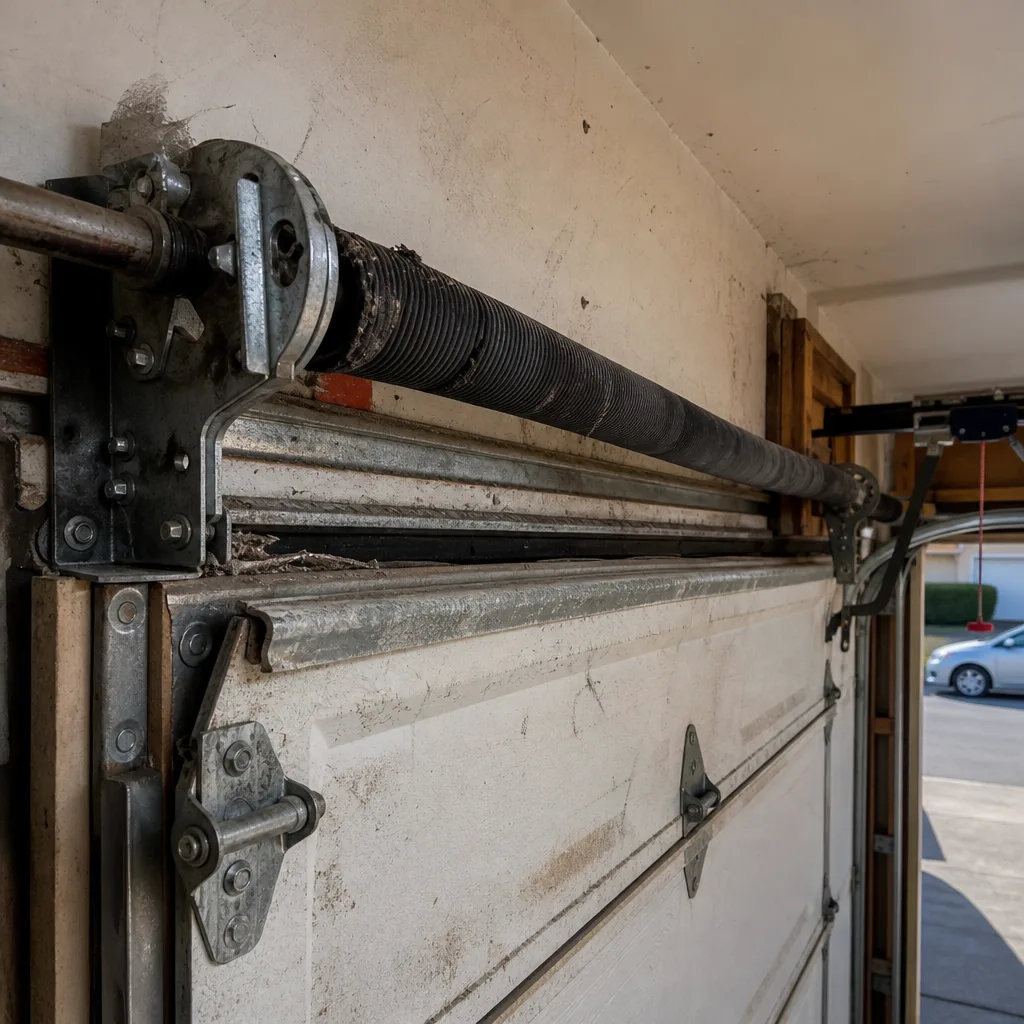 Before
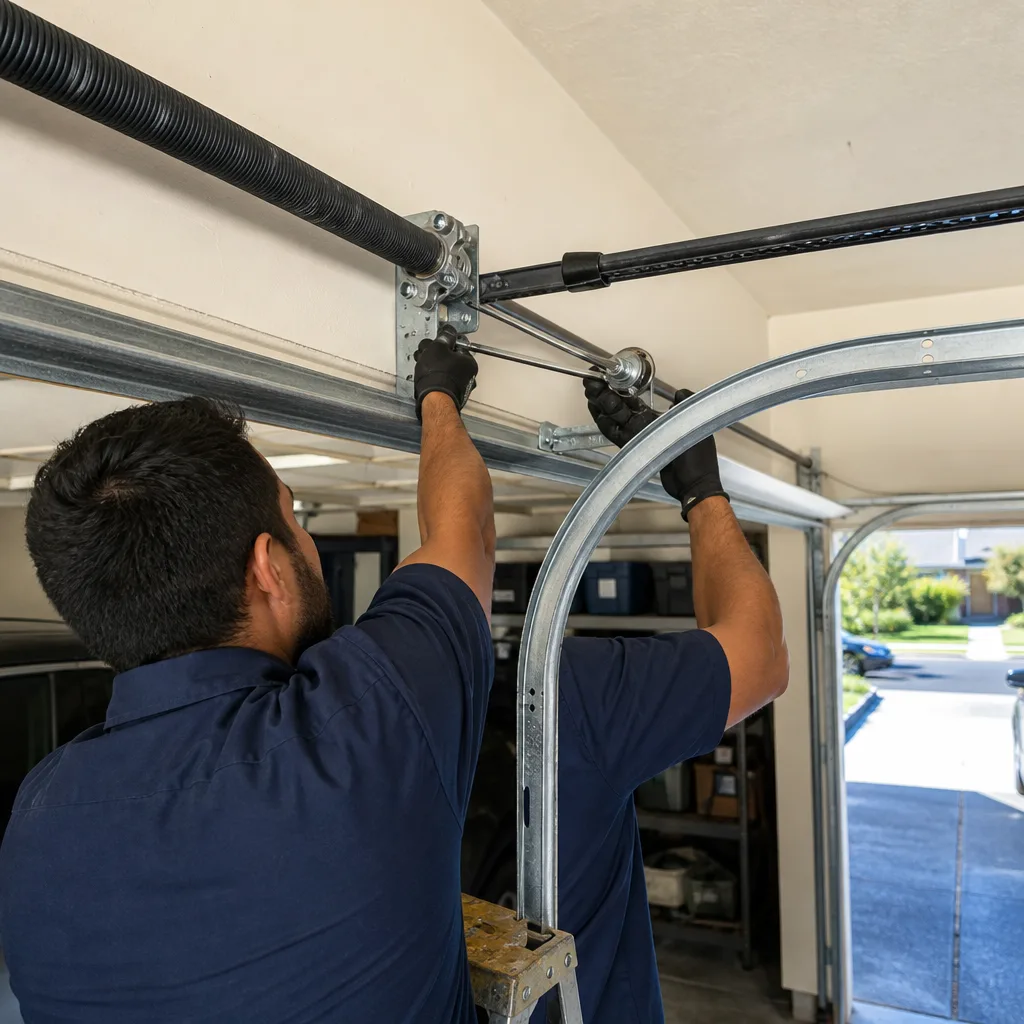 After
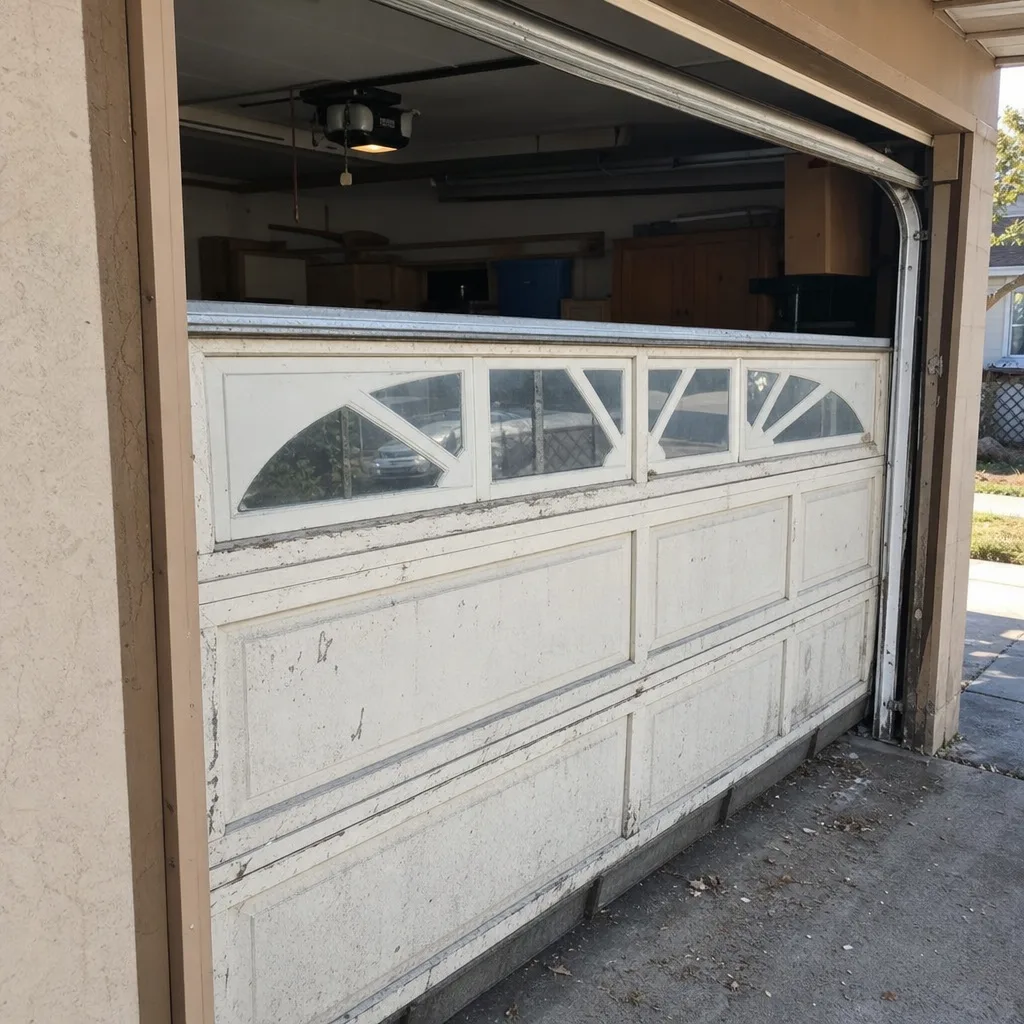 Before
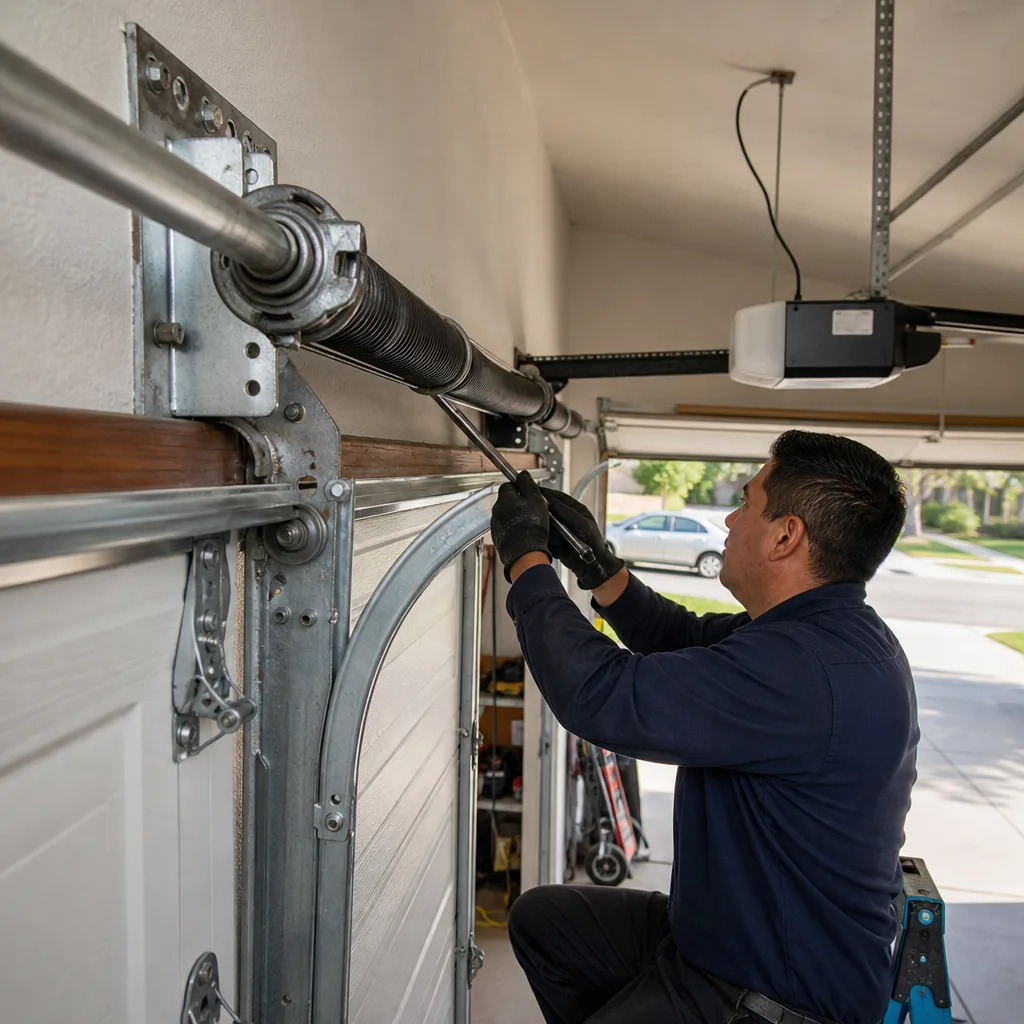 After
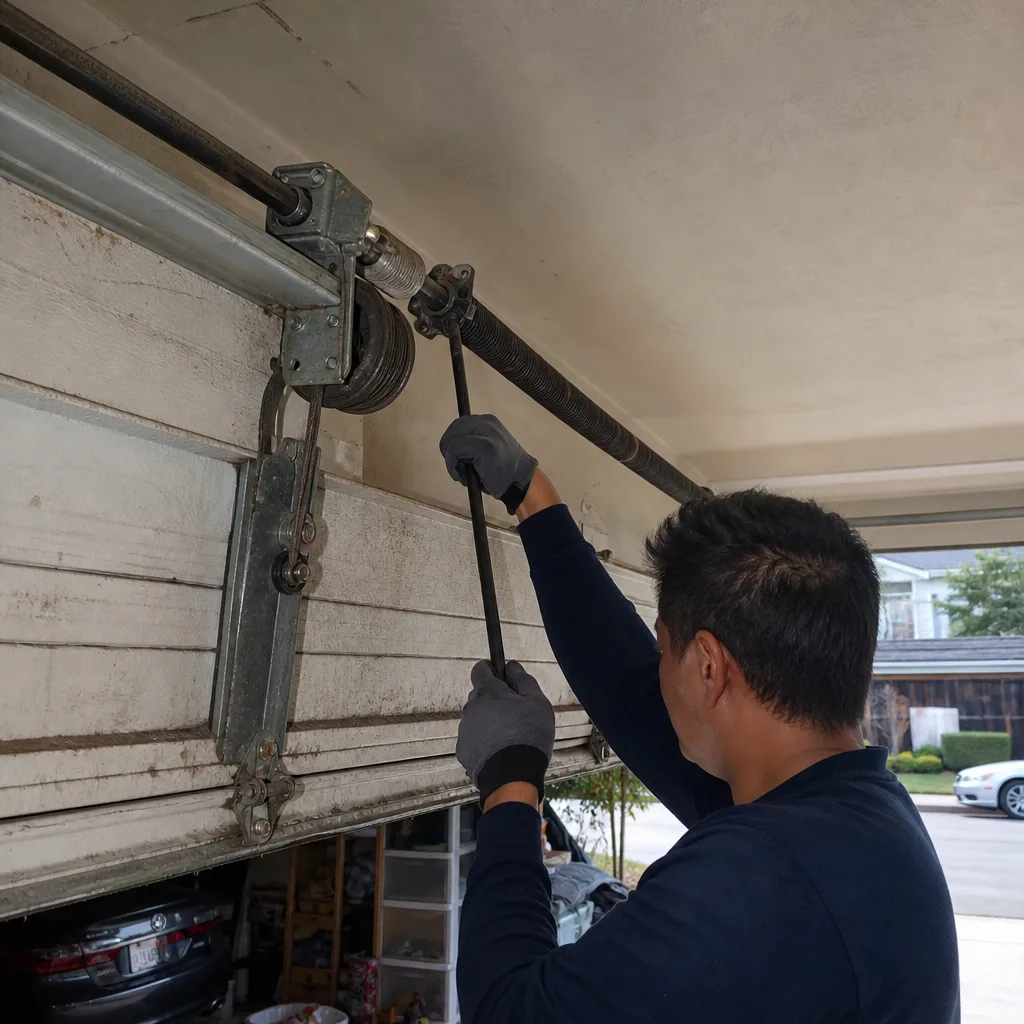 Before
 After